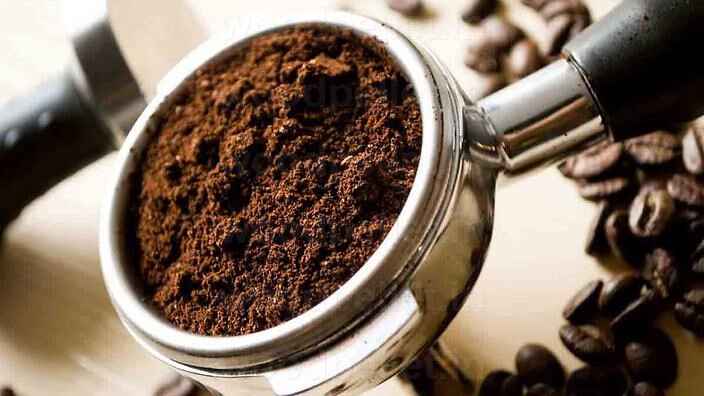
When Youssef Adbib was a child in Beni Mellal, the scent of burning wood was the constant backdrop to his family’s traditional charcoal business. This sensory memory, while nostalgic, came with a clear understanding of the environmental cost behind every bag sold, the relentless consumption of forest resources. Years later, Adbib found himself immersed in the booming coffee shop industry, observing a different kind of daily waste: kilos of spent coffee grounds, seemingly useless, discarded into the bin. It was a perfectly clean, organic stream of material, full of potential, yet treated as trash.
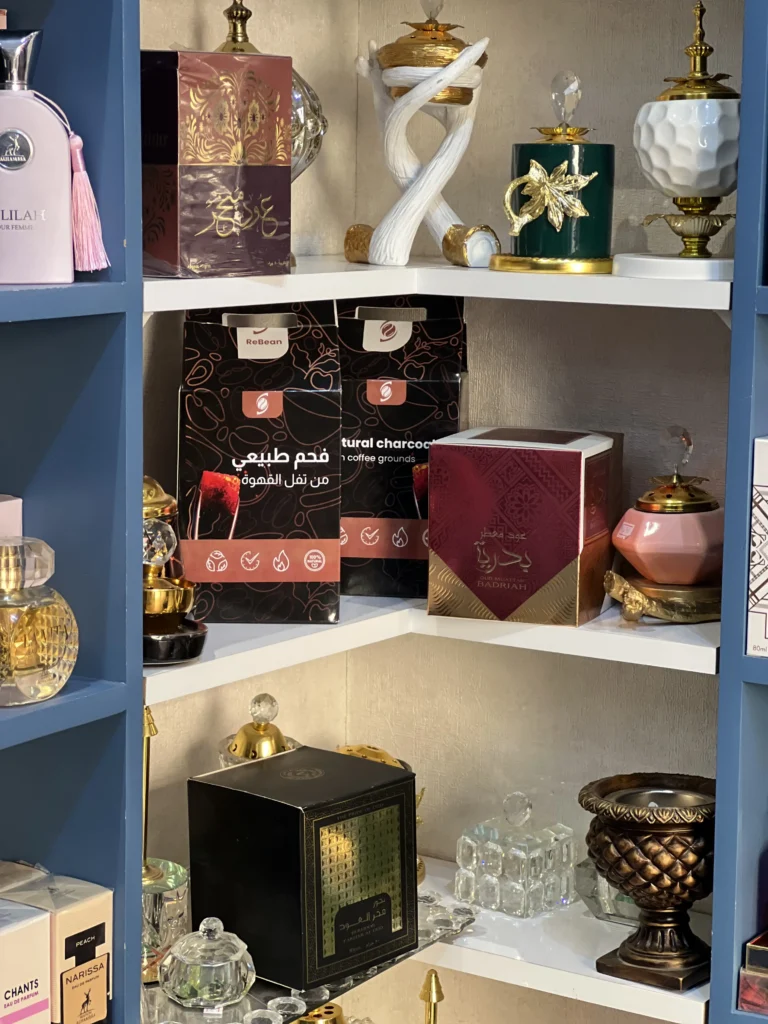
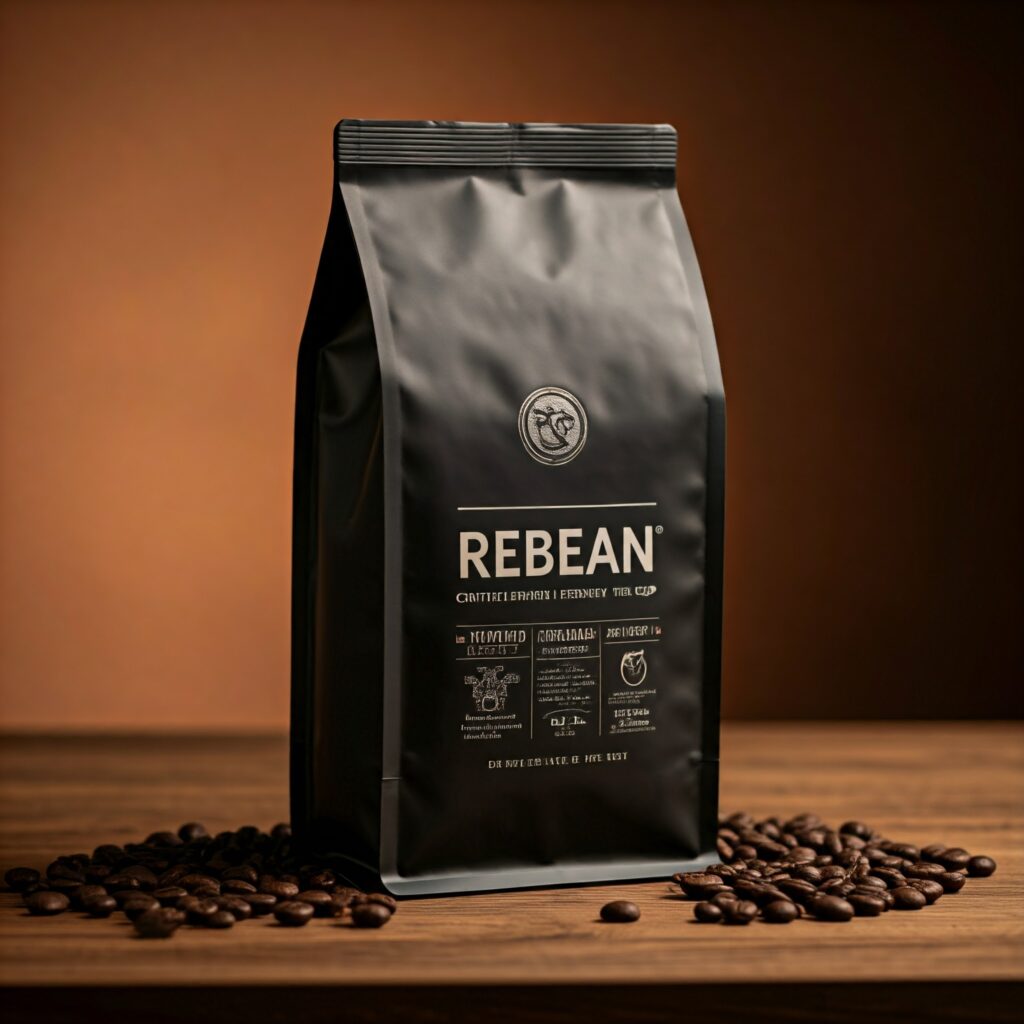
It was this intersection of personal history, the struggle with deforestation, and the sight of endless industry waste that sparked a profound realization: what if the waste from one industry could solve the problems of another? What if the daily grind of coffee shops could be transformed into an eco-friendly alternative to the charcoal he grew up with? This simple, powerful question became the foundation for ReBean, the pioneering initiative Adbib officially launched in 2025 with the audacious vision “to make Morocco a pioneer in the circular economy by turning coffee waste into sustainable value.”
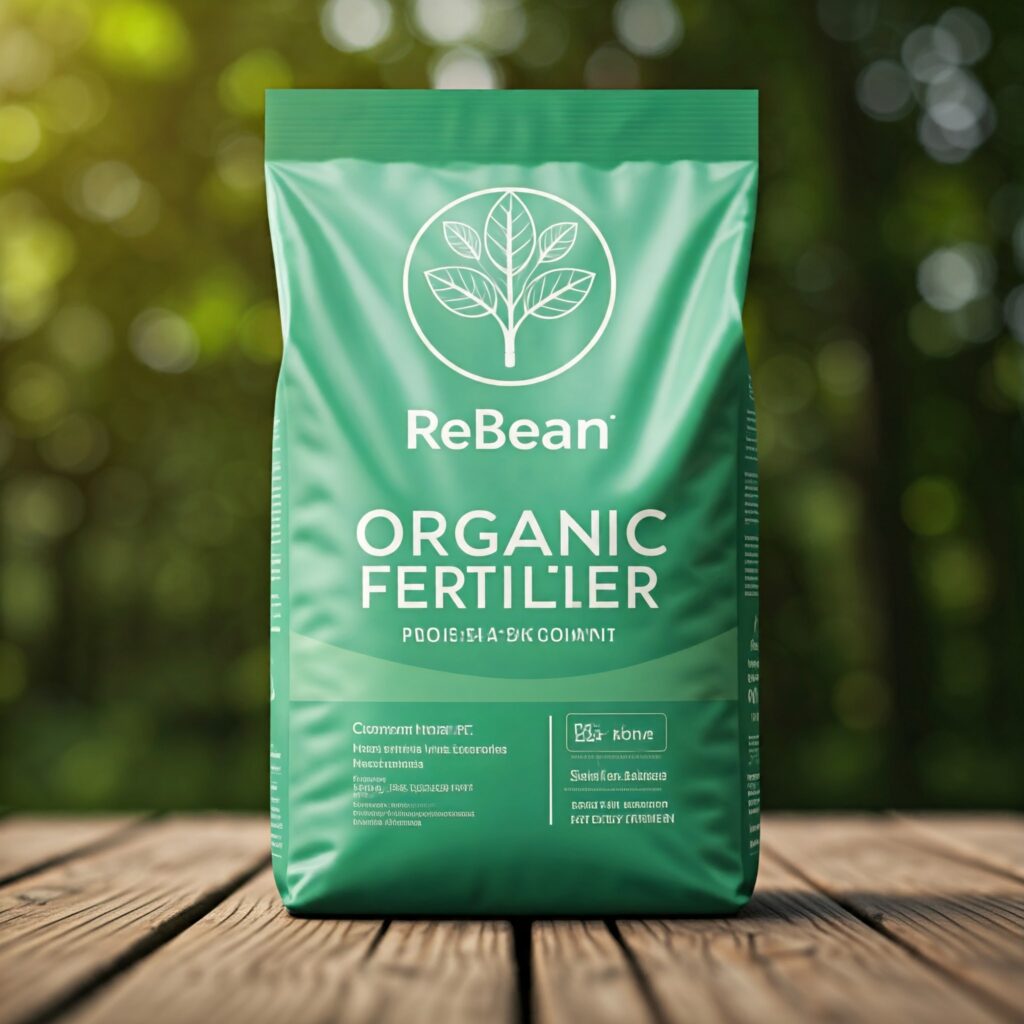
Rebean is built on the reality of Morocco’s waste management challenge. The country generates an estimated 57,000 tons of used coffee grounds annually, a massive stream of organic material typically destined for polluting landfills. ReBean’s core mission is to intercept this waste and transform it into a diverse range of high-value, eco-friendly products, essentially giving the coffee bean a meaningful second life that directly addresses environmental concerns.