08 Jan 2026
Mahdia, Tunisia
Sustainable Food and Agriculture

Can a 3,000-year-old tradition survive in a cardboard box? In a land where olive oil is sacred and change is slow, one woman is shaking up the industry. Meet the founder of JemOlio, who is trading glass for eco-innovation and pesticides for biodiversity, all while proving that Tunisia’s Chemlali olive belongs on the world’s most elite tables.

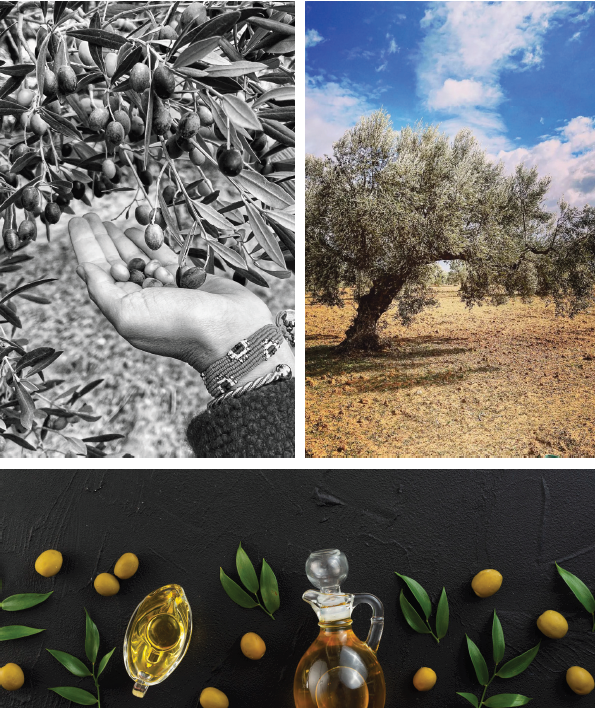
Olive cultivation and olive oil production are deeply embedded in Tunisia’s cultural, economic, agricultural, and environmental fabric. Olive groves cover nearly one-third of the country, about 1.3 million hectares. Despite the diversity of Tunisia’s landscapes, olive trees are omnipresent, stretching from the green hills of the North to the arid regions of the South. Over the past four years, Tunisia has ranked among the world’s top five olive oil producers, alongside Spain, Italy, Greece, and Turkey, and remains one of the leading global exporters, primarily to Europe.

Yet the sector faces numerous challenges, particularly for small-scale farmers: falling export prices, outdated infrastructure, limited modernization, and increasing environmental pressures such as droughts and extreme weather events. Many farmers, unable to sustain a living from their land, have abandoned olive cultivation in search of work in other sectors.
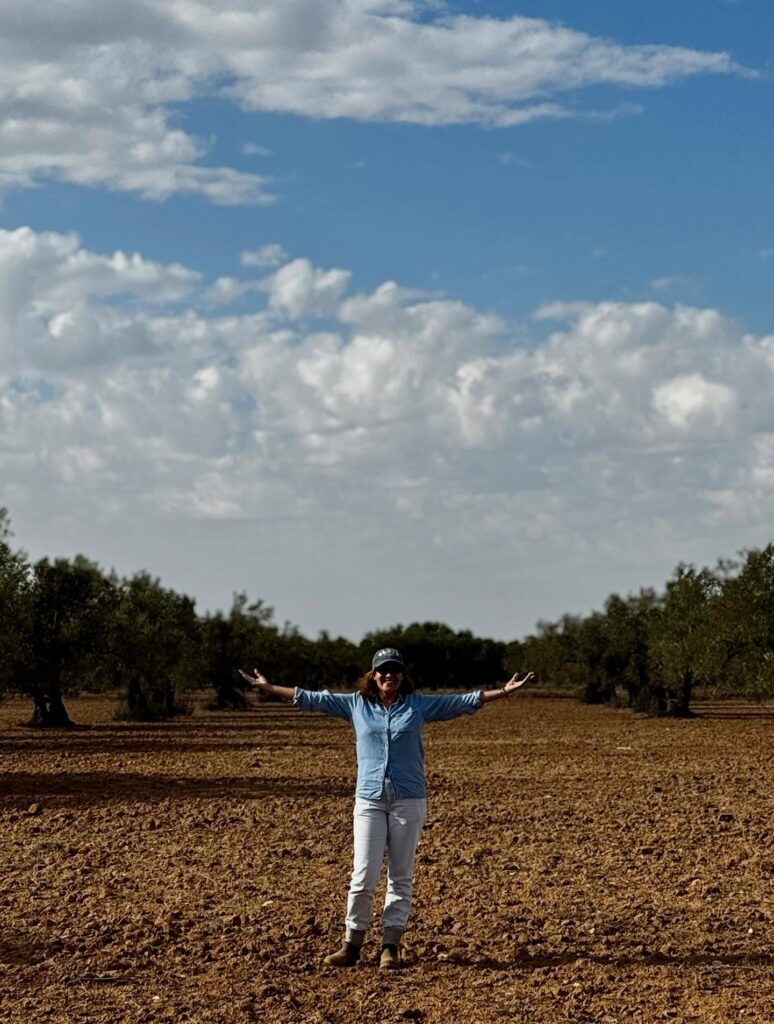
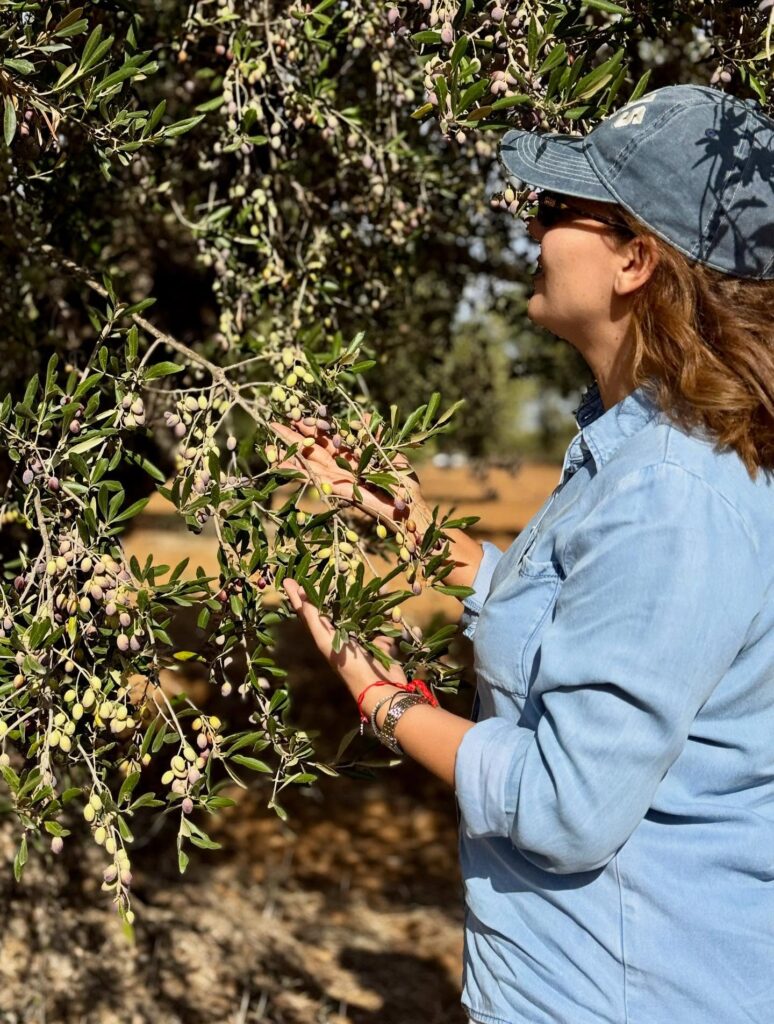
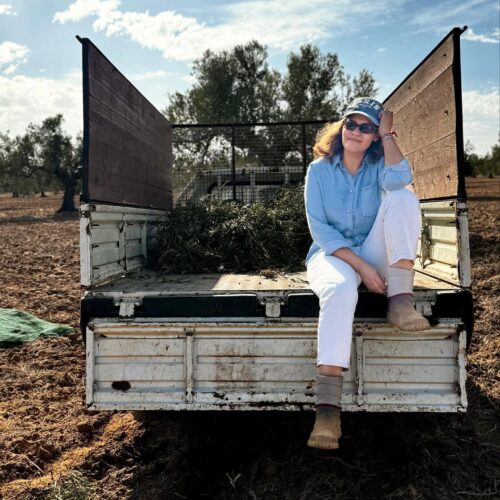
Malek Lamine’s journey took an entirely different direction. Born and raised in Germany, she always felt a deep connection to her Tunisian roots. Coming from a long line of farmers, she developed early on an intimate relationship with nature, with the rhythm of the seasons, and with the olive trees her family has cultivated for generations in the coastal city of Mahdia.

Motivated by this bond, she decided to return to Tunisia to, as she puts it, “launch a sustainable agricultural project that combines tradition, innovation, and environmental commitment.”
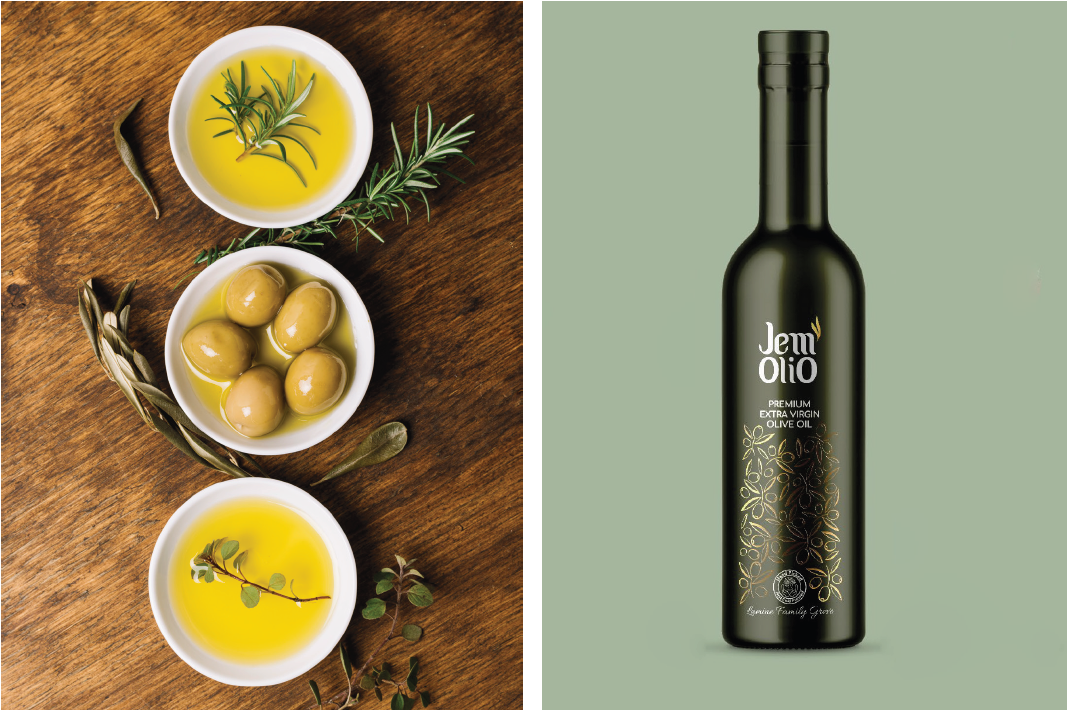
In 2021, she founded JemOlio, a family-run business producing extra virgin olive oil from the Chemlali (Chemleli) variety, the most widely grown in Tunisia. Chemlali is known for:

  • its delicate, light-to-medium fruitiness
  • its fresh herbal and almond notes,
  • its naturally low bitterness, highly appreciated by consumers,
  • its versatility, making it suitable both for cooking and for raw use.

With JemOlio, Malek perpetuates a long-standing family legacy while infusing it with a modern and sustainable orientation.

From Roots to Innovation: How JemOlio Blends Heritage and Sustainability | The Switchers

From the outset, JemOlio set out to do more than produce high-quality olive oil. The brand is built on a foundation of sustainable agriculture, based on a cultivation without chemicals or pesticides, a manual harvesting to preserve fruit integrity, a responsible soil and water management, and the protection of local biodiversity.

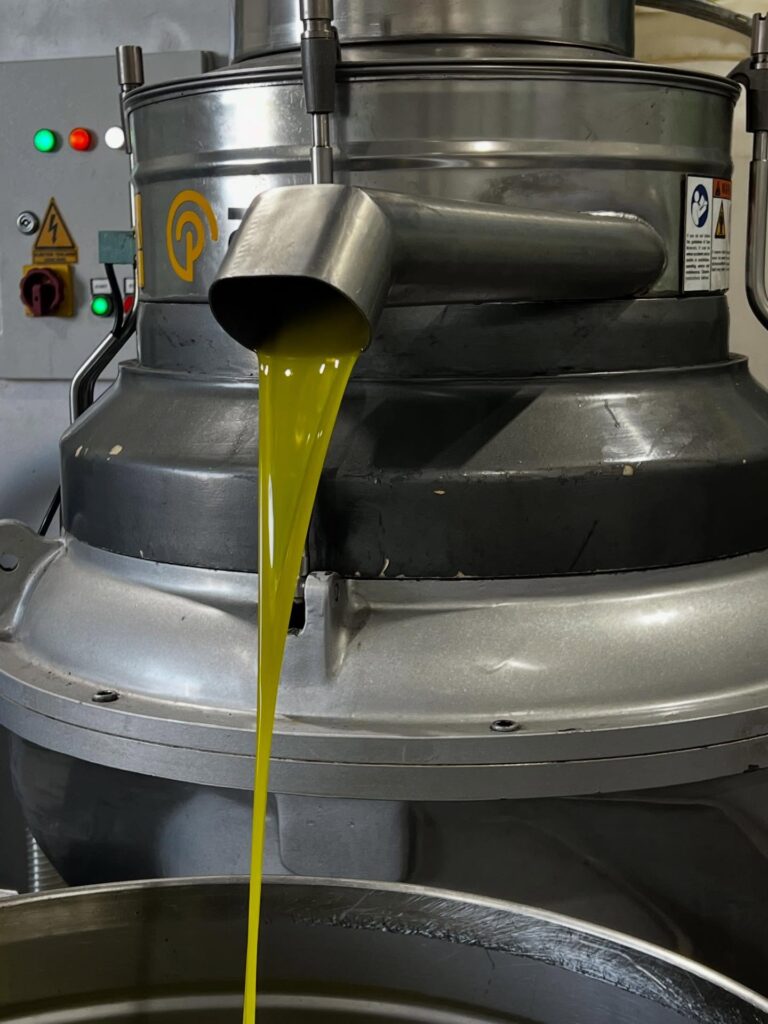
The estate now reaches an estimated annual production of 10 tons of olives, processed immediately after harvest to ensure maximum freshness.

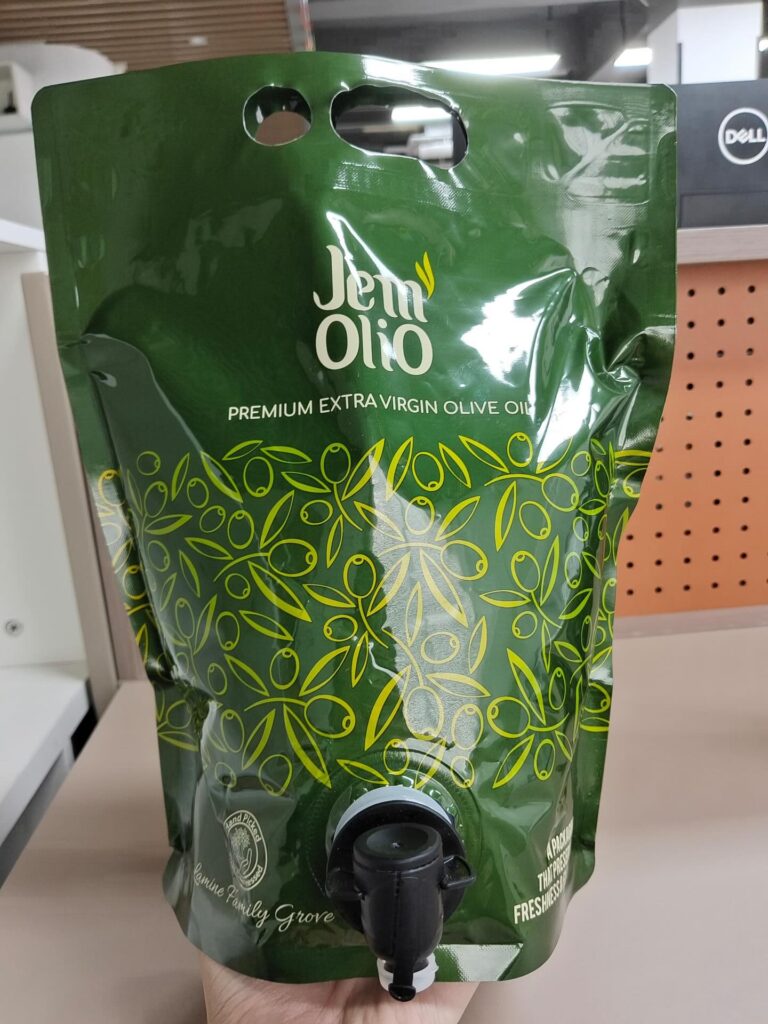
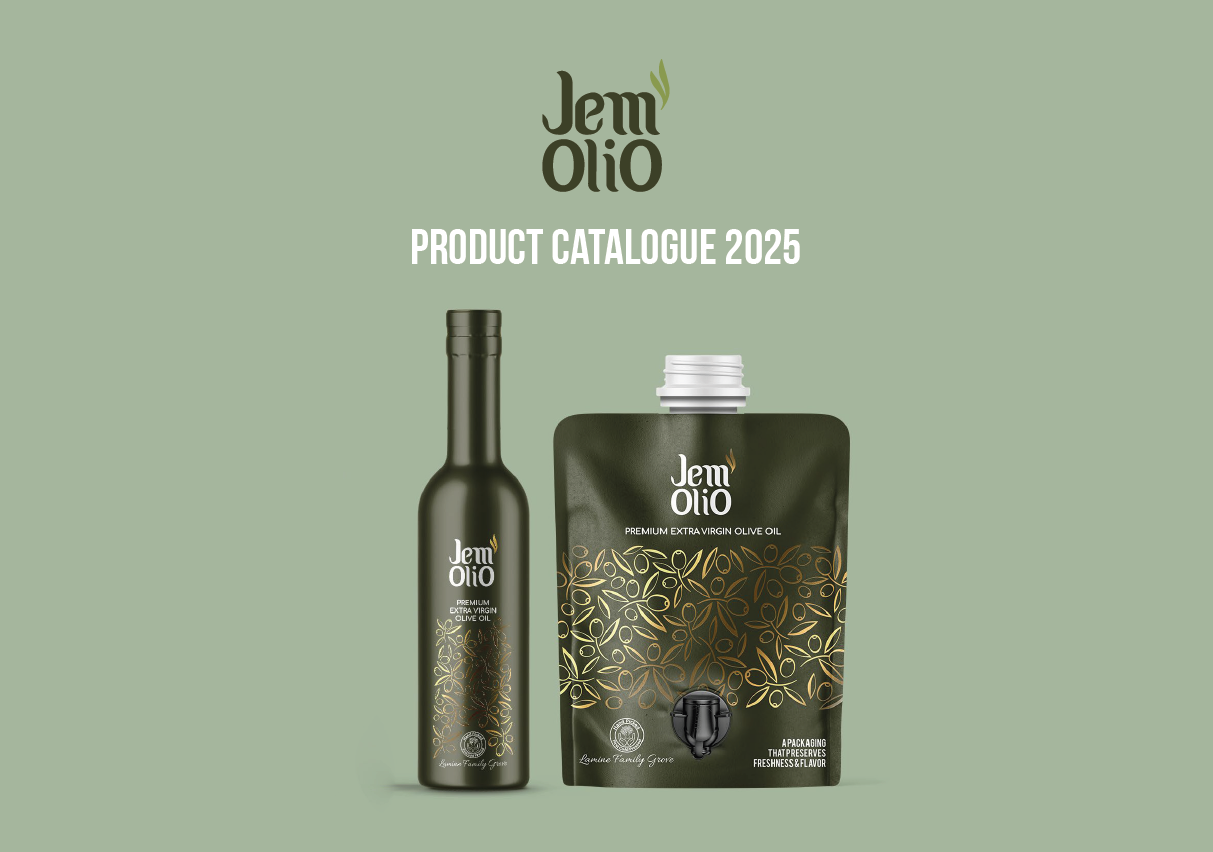
In line with this eco-conscious philosophy, JemOlio packages its olive oil in bag-in-box containers, a lightweight, recyclable, and environmentally friendly alternative to glass or metal. This packaging significantly reduces the carbon footprint and protects the oil from air and light, keeping it fresh and flavorful for longer. JemOlio currently offers its extra virgin olive oil in 3-liter and 5-liter formats.

Introducing this innovation within Tunisia’s traditional olive sector came with its own set of challenges. As Malek explains:

One of our biggest challenges has been encouraging acceptance of innovation in the local market. Many Tunisian consumers remain attached to classic formats and may hesitate to adopt modern, minimalist, and sustainable packaging. But with discipline, transparency, and regularity, we have begun building trust with a more open audience, especially in urban areas.”
From Roots to Innovation: How JemOlio Blends Heritage and Sustainability | The Switchers

Today, JemOlio primarily caters to quality-focused consumers and professionals: delicatessens, specialty stores, distributors, importers, hotels, gourmet restaurants, and chefs. Malek also aims to expand exports, a significant challenge in an already saturated global olive oil industry. Despite this, JemOlio has already secured its first client in the United Arab Emirates.

To increase visibility and foster new partnerships, Malek regularly participates in international trade fairs and olive-growing events, proudly representing Tunisia and its rich olive-growing heritage. She is also an active member of the American Association of Women in Olive Oil, an international network connecting women across the sector.

In 2025, she achieved a major milestone: fully repaying the bank loan that made JemOlio possible, an accomplishment she describes as “the icing on the cake.” Looking ahead, she envisions building JemOlio into “a strong brand with an international presence, while remaining true to our agricultural roots and our values of sustainability.

You can reach JemOlio through their website or IG.

JemOliO Sustainable Food and Agriculture