Queen Luzerne
Alfalfa: the super-plant that will save Tunisia’s oases
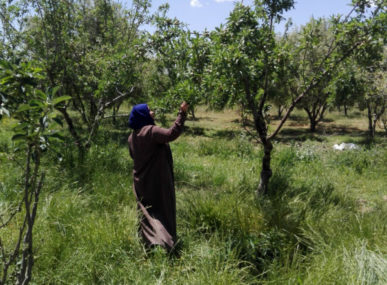
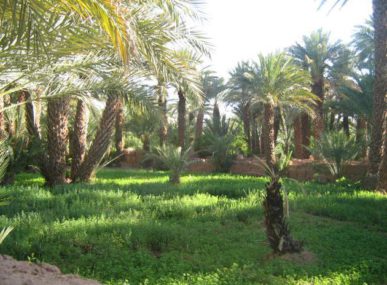
With Queen Luzerne, Tunisia's palm groves will give a greater role to the alfalfa plant, which can drive sustainable agriculture and employment.
Originally from Sidi Bouzid, Leila Horchani, founded Ferme Bio Warda, with a dream of introducing the organic farming and improving the quality life of rural women in her region, the cradle of the jasmine revolution.
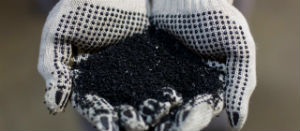
It all started in 2015, one morning in a cafeteria, he noticed that the employees threw a lot of coffee grounds in the trash, so he returned the next morning to the cafe to collect the fresh coffee ground...
Yassine Ben Menadi, biotechnology engineer and fervent opposer of the status quo, entered the SwitchMed programme in a conscious effort to acquire the tools to produce a radical shift in today’s agricultural model through his Tunisia-based company.
Bio-Chèvre-Lait is an enterprise aiming to modernize goat farming in a sustainable way, while integrating the business into the economic fabric of the Kasserine region.
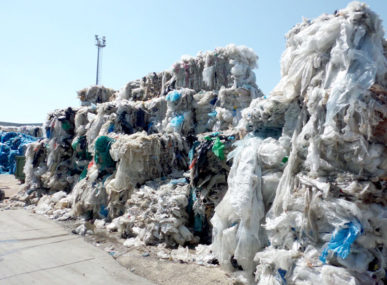
From an aerial view, the agricultural landscapes of Morocco are no longer covered in green for which its lands are known. In the Souss-Massa region, further south of the snow-capped Atlas peaks, the color white is also creeping into...
Aya Tager is the Israel-based industrial designer behind AyaKaya, a business that creates functional and upcycled products from waste — and through its workshops, encourages others to do the same.
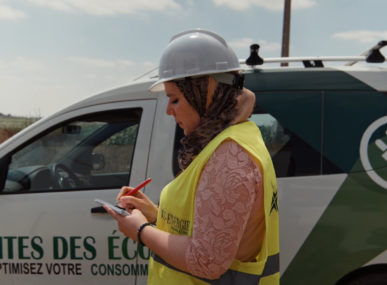
A dense black smoke rises in the sky, expands heavily and emits the most unpleasant rubbery smell. It was this apocalyptic vision that triggered Naoual Elomari to do something about it.
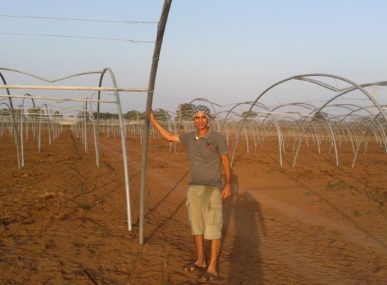
Hamid Ben M’Barek Riad wants Riad Green House to bring sustainable tourism, organic farming, and greater job opportunities to Morocco's El Jadida Province.
Khaoula Remmal guarantees a revalorization of organic waste. She reuses it and re-integrates it into the circuit of a greener, fairer and more sustainable economy.
Imagine roaming the streets on a hot day, protected by the sun in a street-level microclimate induced by thin sheets of plastic stretched between buildings.
Here is the story of an extraordinary integrated treatment system that minimizes the economic losses for both industries and improve the surrounding public health and the environment.