02 Feb 2026
Paris, France
Sustainable Textiles and Clothing

Luxury and sustainability do not make the most obvious pairing. Olistic The Label combines the two concepts by making high-end wedding and evening dresses with organic-certified textiles. Unsustainably produced fabrics — including cotton, polyester and nylon — pollute waterways, spread pesticides and expose workers to harmful chemicals. 

Camille Jaillant, Olistic’s creative director, proudly relies on sustainable sourcing, manufacturing and employment practices. These standards drive the unique vision of Olistic. “The brand’s name comes from the French adjective ‘holistic’ —  which means the whole — where humans connect with the earth.”

The inspiration for Olistic came from Jaillant’s wide-ranging travels, which have so far taken her across Europe, North America, Africa, Asia and Australia. 

Jaillant traces her brand’s overall look to her French-Swiss origins, with dresses that combine “effortless French elegance with a wild Swiss adventurous spirit.” She first conceived Olistic’s eco-friendly focus while studying fashion entrepreneurship in Australia, a country that has many sustainable clothing brands.

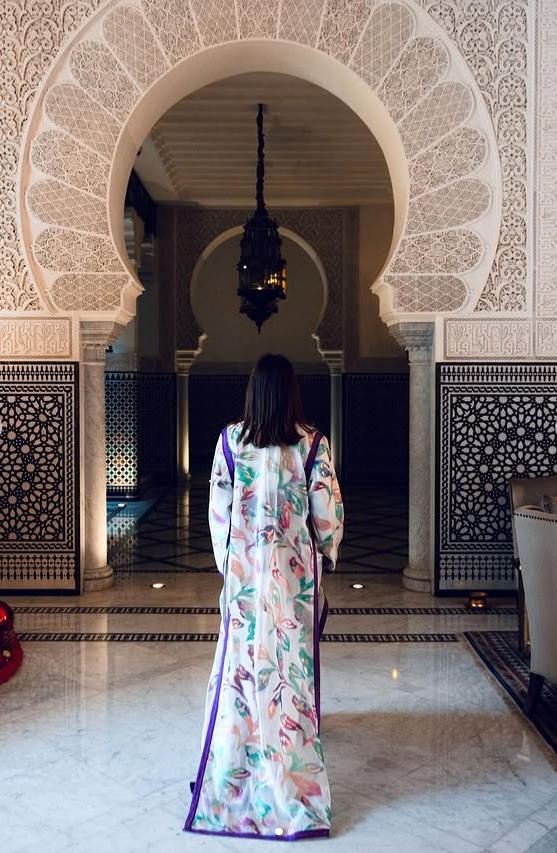
Olistic manufactures its range of dresses from GOTS-certified organic peace silk and PEFC / FSC-certified wood fibers. This means that all Olistic dresses can be composted after use, or recycled into a new garment.

Again, Jaillant’s travels helped shape a second aspect of Olistic’s sustainable mission — supporting female artisans. A global community of talented women produces the hand-embroidered design and shape of each Olistic dress. Jaillant sources organic fabrics handwoven by Indian women and sends these materials to Porto, where Olistic’s female tailors operate according to traditional know-how.

Importantly, Olistic prides itself on providing good employment terms. “We are redefining fashion production by better understanding our workers’ needs, and the amount of time they have to create beautiful designs,” said Jaillant.

This impressive business model did not come easily, and challenges still remain for Olistic’s continued sustainability. Jaillant spent months searching for Indian and Portuguese contacts who shared her unique vision for eco-friendly fashion. “Having a durable and strong relationship is what matters the most — but it takes time!” she said.

Jaillant also notes that 100 percent organic materials are more expensive, adding pressure to Olistic’s bottom line. She is looking to partner with eco-concept stores and other clothing retailers that are experienced in targeting environmentally conscious shoppers.

So far, Jaillant is excelling at spreading her luxury-environmentalism mashup by herself. Last year, she presented with Zoi Environment, an NGO, on the social impact of the fashion industry at a UN summit in Kenya. 

“Olistic is not just a brand,” she said. “It is also a label that supports sustainable practices in the fashion industry.”

Since 2019, Olistic The Label has evolved from a rising startup into a cornerstone of French sustainable luxury. By securing placement in iconic retail destinations like Printemps Haussmann and Le Bon Marché, Camille Jaillant has proven that ethical fashion belongs on the world’s most prestigious stages.

The brand’s “holistic” heart remains its dedicated support for over 100 female artisans through an Indian “Peace Silk” cooperative, ensuring social empowerment alongside environmental care. Moving away from the wasteful fashion calendar, Olistic has shifted to trans-seasonal collections, favoring timeless elegance over fleeting trends. Every garment remains 100% natural, with a strict ban on plastics and polyesters—extending even to the smallest threads and buttons. Through these achievements, the label continues to demonstrate to the Switchers community that true luxury lies in the harmony between uncompromising style, radical transparency, and a deep respect for the Earth’s natural rhythms.


Learn more about Olistic The Label through the website and Instagram. You can also send an email to contact@olisticthelabel.com.

Photos courtesy of Olistic The Label

Since completing his MA in Middle Eastern Studies two years ago, David has worked as a freelance writer based in Accra, Ghana, and Cairo, Egypt.David Wood
The Future of Sustainable Luxury: Olistic The Label’s Plastic-Free Revolution | The Switchers
Olistic The Label Sustainable Textiles & Clothing