Lamine knows her chosen topic well, having worked as an environmental engineer in water treatment for two separate research laboratories. Elma Eco aims to roll out water treatment devices that rely on natural filtration, by plants and / or laterites (iron-rich soil).
“The purpose of water treatment unit is to discharge clean water into the environment, which prevents toxic pollutants from contaminating groundwater and protects the marine environment against eutrophication (absorbing too many nutrients),” Lamine explained.
Lamine’s innovation makes it possible to recycle water for irrigation and other gardening uses. She notes that,
“It offers several ecological benefits, such as reducing the consumption of drinking water and enriching biodiversity.”
The current water crisis and a lack of access to clean irrigation water often force farmers to illegally siphon water from lakes, as high-cost desalination is not a viable solution. This is where Lamine’s Wet-Desal system intervenes: TRANSFORMING BRACKISH WATER INTO A SUSTAINABLE AGRICULTURAL RESOURCE.
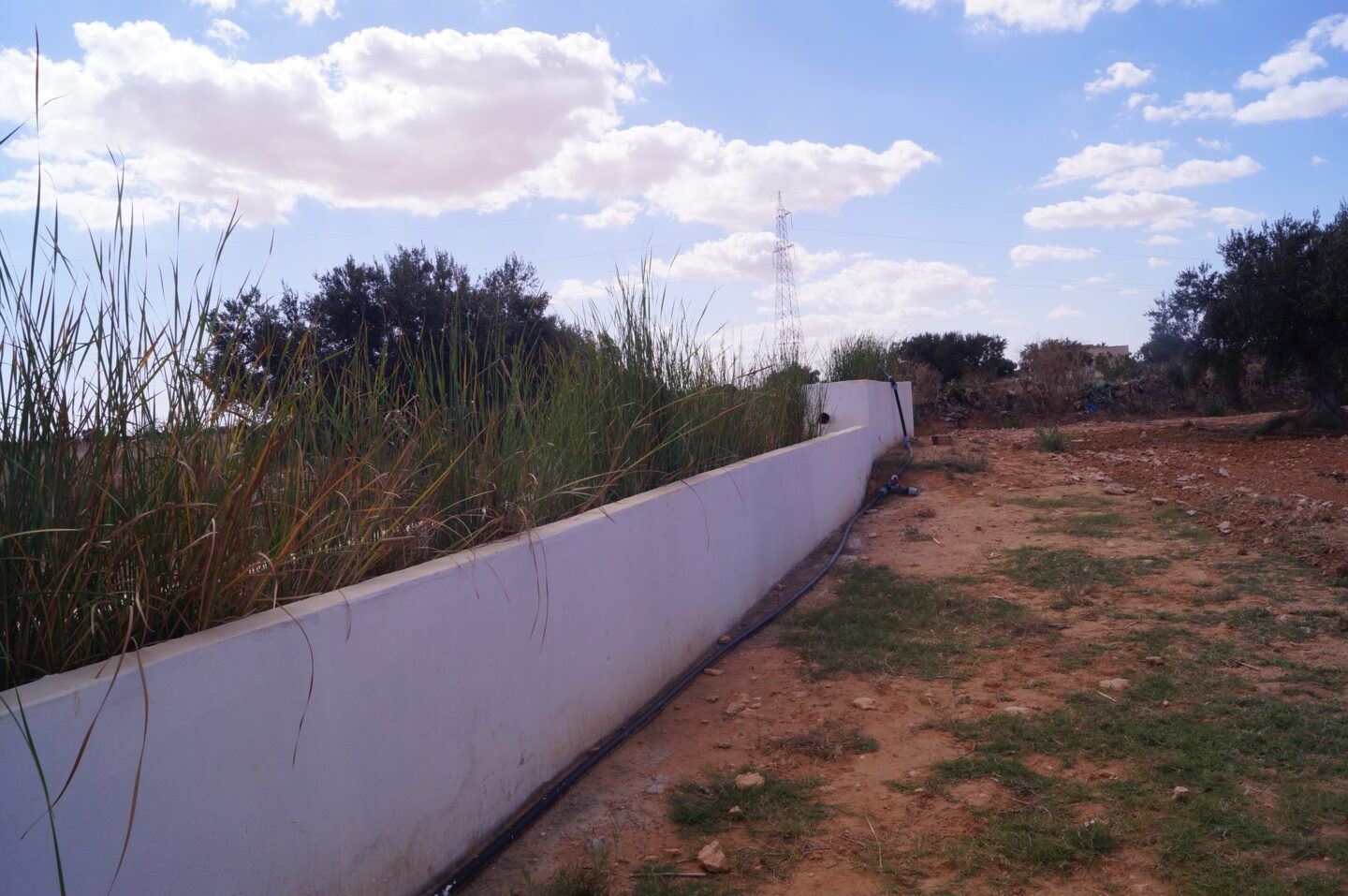
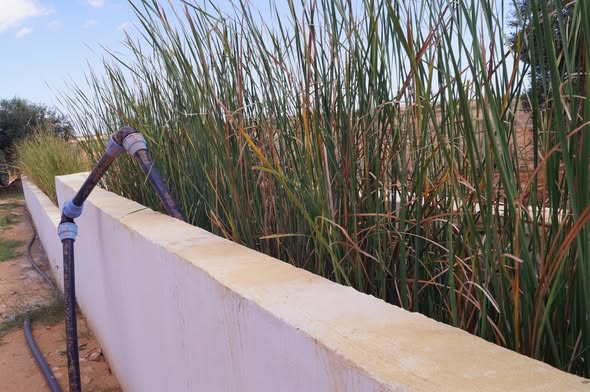
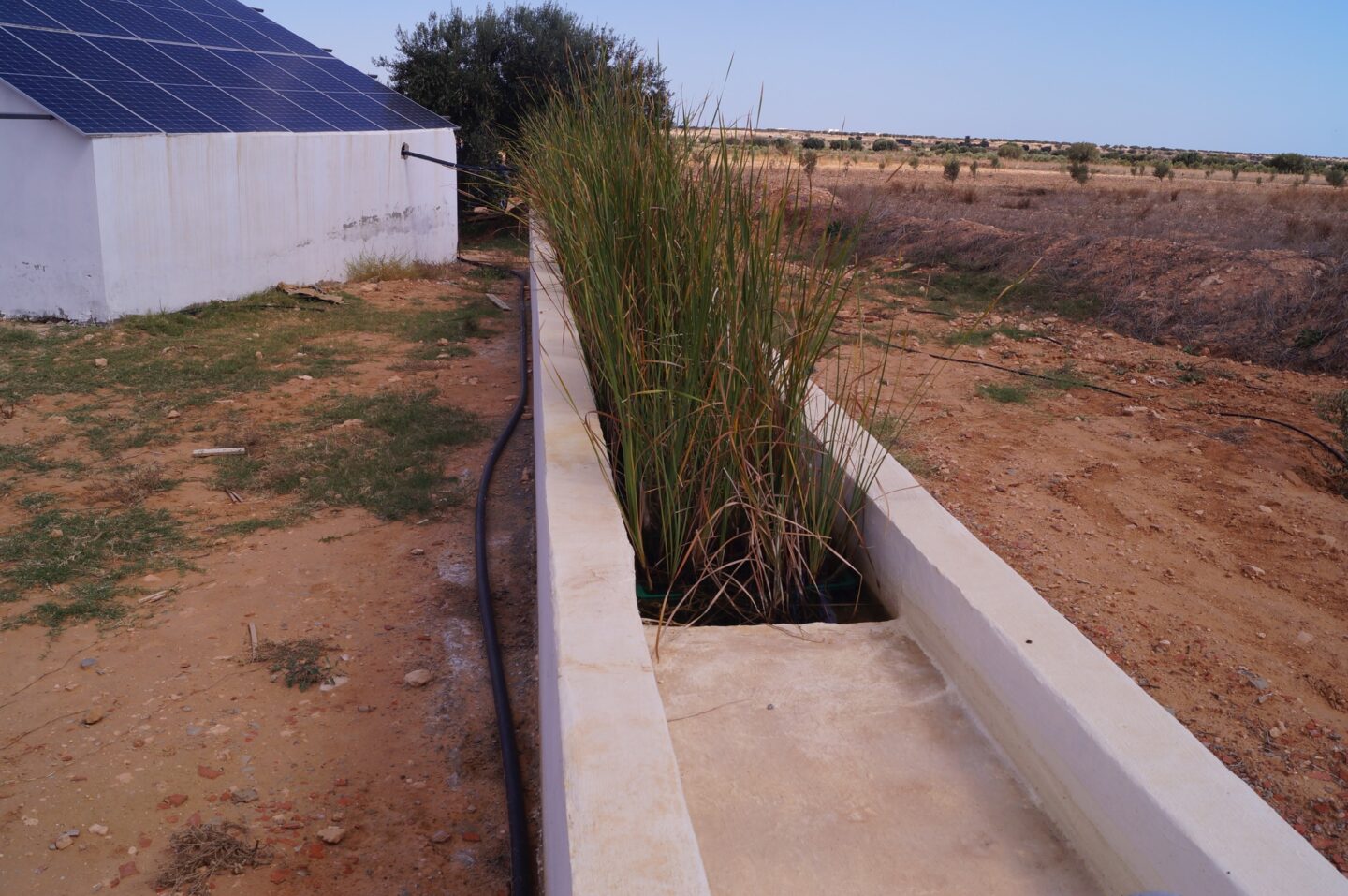
Wet-Desal utilizes a 100% natural process based on aquatic plants (Typha spp.) to transform brackish water. By filtering and removing salt, heavy metals, and harmful pollutants (e.g., nitrates and pesticides), the system produces water that is not only fresh but also fertilizing and biostimulating.
Wet-Desal is proud to offer a natural system that accomplishes three key goals:
-
Desalinating brackish waters.
-
Naturally fertilizing crops.
-
Regenerating salinized soils.
The system is designed for sustainable agriculture, arid and semi-arid zones, and ecological irrigation projects. It can treat water with up to of salinity, resulting in sweet, fertilizing, and biostimulating water, all while maintaining a low energy consumption.