05 Dec 2025
Bni Mellal, Morocco
Resource Efficiency and Sustainable Waste Management

Founded by Youssef Adbib, this Beni Mellal initiative is tackling 57,000 tons of annual coffee grounds, replacing wood charcoal and building a digital circular economy with its Eco-Coin platform. 

When Youssef Adbib was a child in Beni Mellal, the scent of burning wood was the constant backdrop to his family’s traditional charcoal business. This sensory memory, while nostalgic, came with a clear understanding of the environmental cost behind every bag sold, the relentless consumption of forest resources. Years later, Adbib found himself immersed in the booming coffee shop industry, observing a different kind of daily waste: kilos of spent coffee grounds, seemingly useless, discarded into the bin. It was a perfectly clean, organic stream of material, full of potential, yet treated as trash.  

It was this intersection of personal history, the struggle with deforestation, and the sight of endless industry waste that sparked a profound realization: what if the waste from one industry could solve the problems of another? What if the daily grind of coffee shops could be transformed into an eco-friendly alternative to the charcoal he grew up with? This simple, powerful question became the foundation for ReBean, the pioneering initiative Adbib officially launched in 2025 with the audacious vision “to make Morocco a pioneer in the circular economy by turning coffee waste into sustainable value.” 

Rebean is built on the reality of Morocco’s waste management challenge. The country generates an estimated 57,000 tons of used coffee grounds annually, a massive stream of organic material typically destined for polluting landfills. ReBean’s core mission is to intercept this waste and transform it into a diverse range of high-value, eco-friendly products, essentially giving the coffee bean a meaningful second life that directly addresses environmental concerns.  

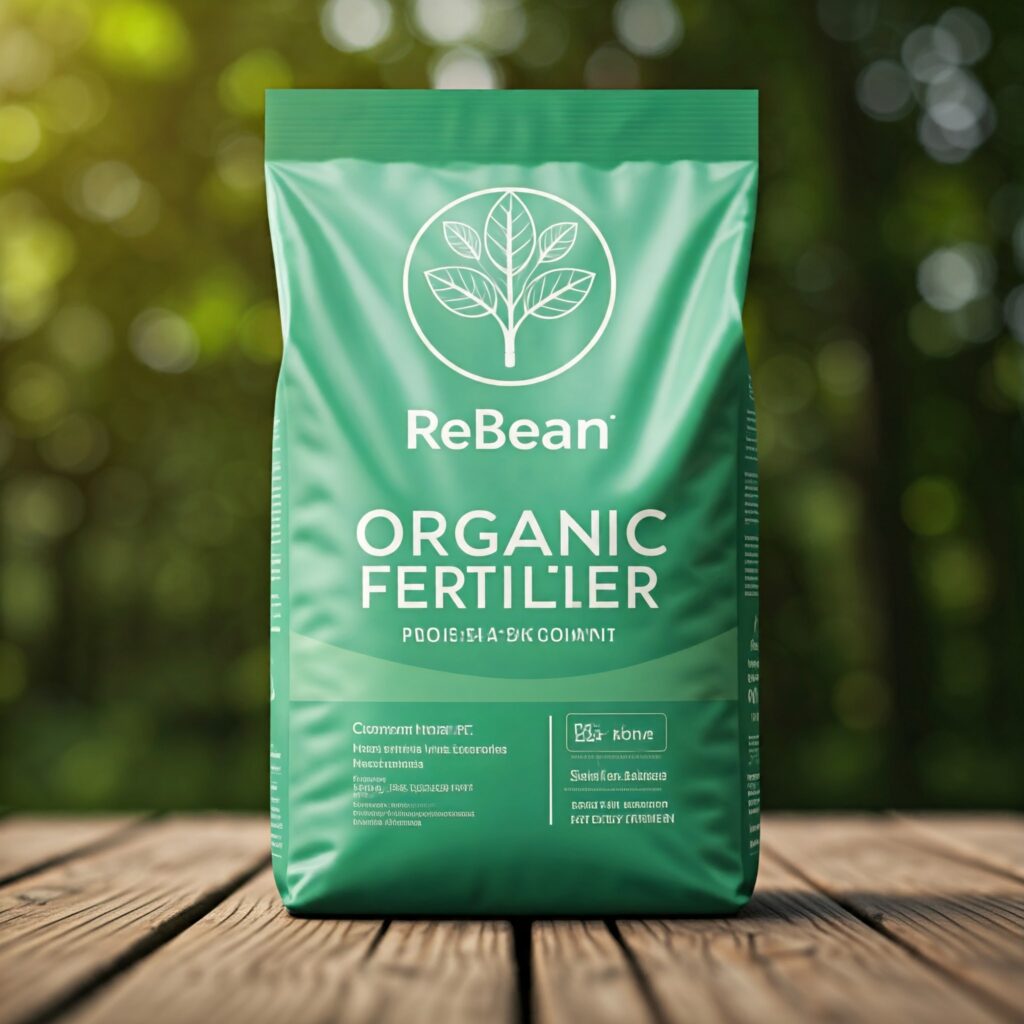
This transformation yields several key innovations. First is their Eco-Charcoal, which directly replaces traditional wood charcoal, significantly reducing deforestation and lowering CO2 emissions. They also produce Organic Fertilizer that naturally enriches the soil, providing a sustainable alternative to chemical additives for agriculture. Beyond these foundational products, ReBean steps into the consumer market with sustainable Natural Cosmetics made from recycled coffee-based ingredients and a line of artisanal Home Décor items, giving waste a second life in beautiful, design-led pieces. This holistic approach ensures maximum resource utilization and demonstrates the versatility of the coffee grounds. 

Crucially, Rebean understands that sustainability is a collective effort, not just a manufacturing process. To foster this community-wide engagement, they created Eco-Coin, “a digital rewards platform that incentivizes individuals and businesses to recycle coffee waste. This innovation builds a community around sustainability, offering benefits for consumers, cafés, and eco-conscious companies, while ensuring long-term engagement and measurable impact.”  

By making recycling rewarding and trackable, the Eco-Coin system ensures long-term engagement and measurable environmental impact, transforming the simple act of discarding coffee grounds into a climate-positive contribution.

Adbib emphasizes that ReBean’s mission is rooted in one powerful belief:

“When innovation meets nature, waste becomes a resource, and communities become climate heroes.”

The journey from concept to fully functioning enterprise required patience and strategic development. ReBean began with small-scale pilots, establishing collection logistics and rigorously testing the transformation process with an initial cohort of 20 partner cafés. Through this essential trial-and-error, they developed and prototyped their bio-charcoal and fertilizers.  

Today, Rebean has grown from a simple idea into a nationally recognized circular economy initiative. The successful pilot involving partner cafés and the development of their first product line are key milestones. The initiative has forged partnerships with local cafés, eco-associations, municipalities, and Moroccan sustainability programs, and has begun networking with green innovation communities in Europe and Africa. Each achievement, Adbib notes, represents not just progress, but concrete proof that Morocco can lead the green transformation of everyday waste.  

His vision is to see Moroccan cities recycle all coffee waste, for eco-charcoal to replace its wood-based counterpart across the region, and for Eco-Coin to encourage millions to adopt sustainable habits. His advice to aspiring green entrepreneurs is succinct and practical: “Start with what you know. Don’t be afraid to mix tradition with innovation. Build communities, not just products.” Youssef Adbib is not simply building a business, he is transforming a daily ritual, the simple act of enjoying a cup of coffee, into a potent force for environmental regeneration. 

Don’t miss what’s next!  Follow ReBean on FB here. 


Rebean Resource efficiency and sustainable waste management