20 Oct 2026
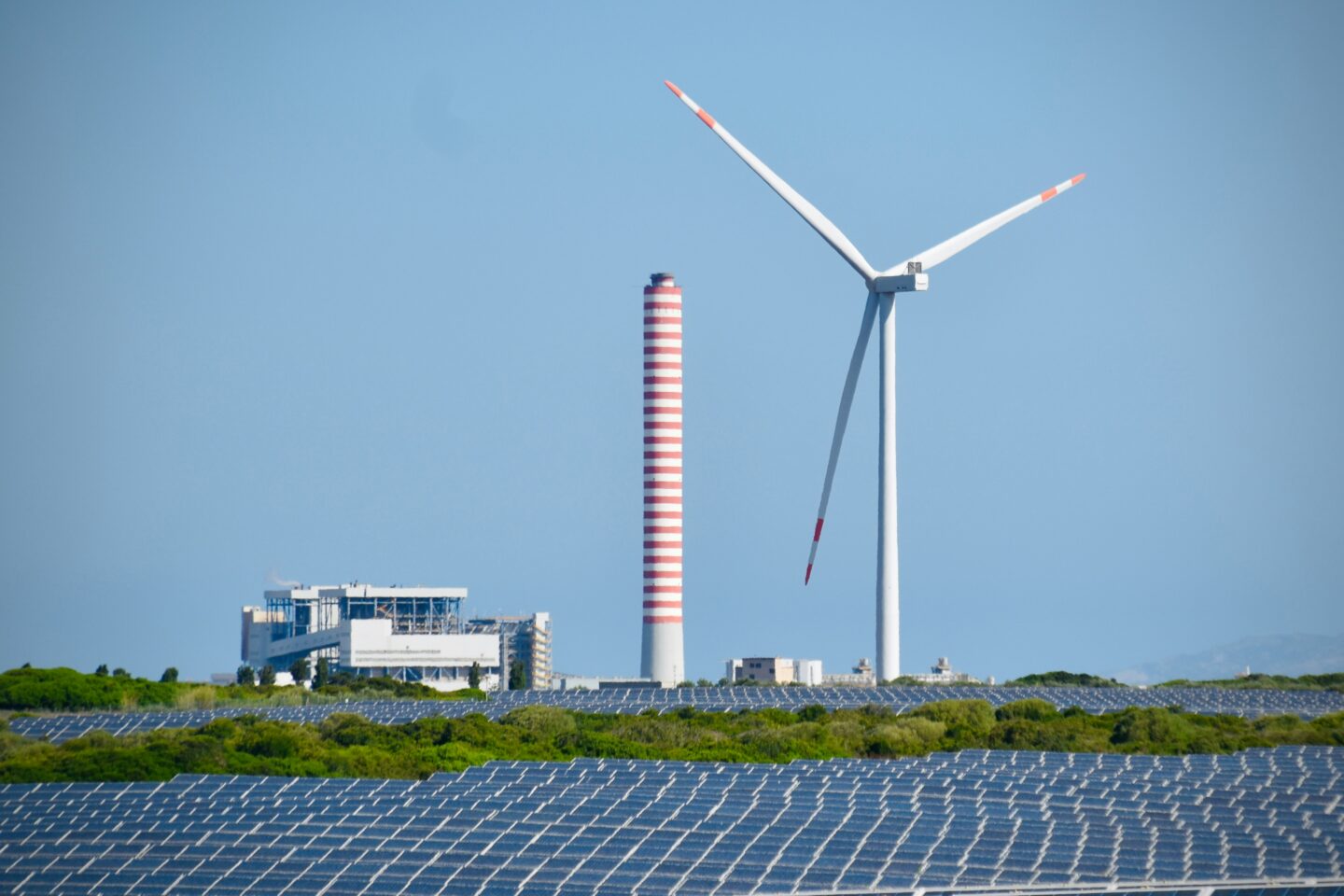
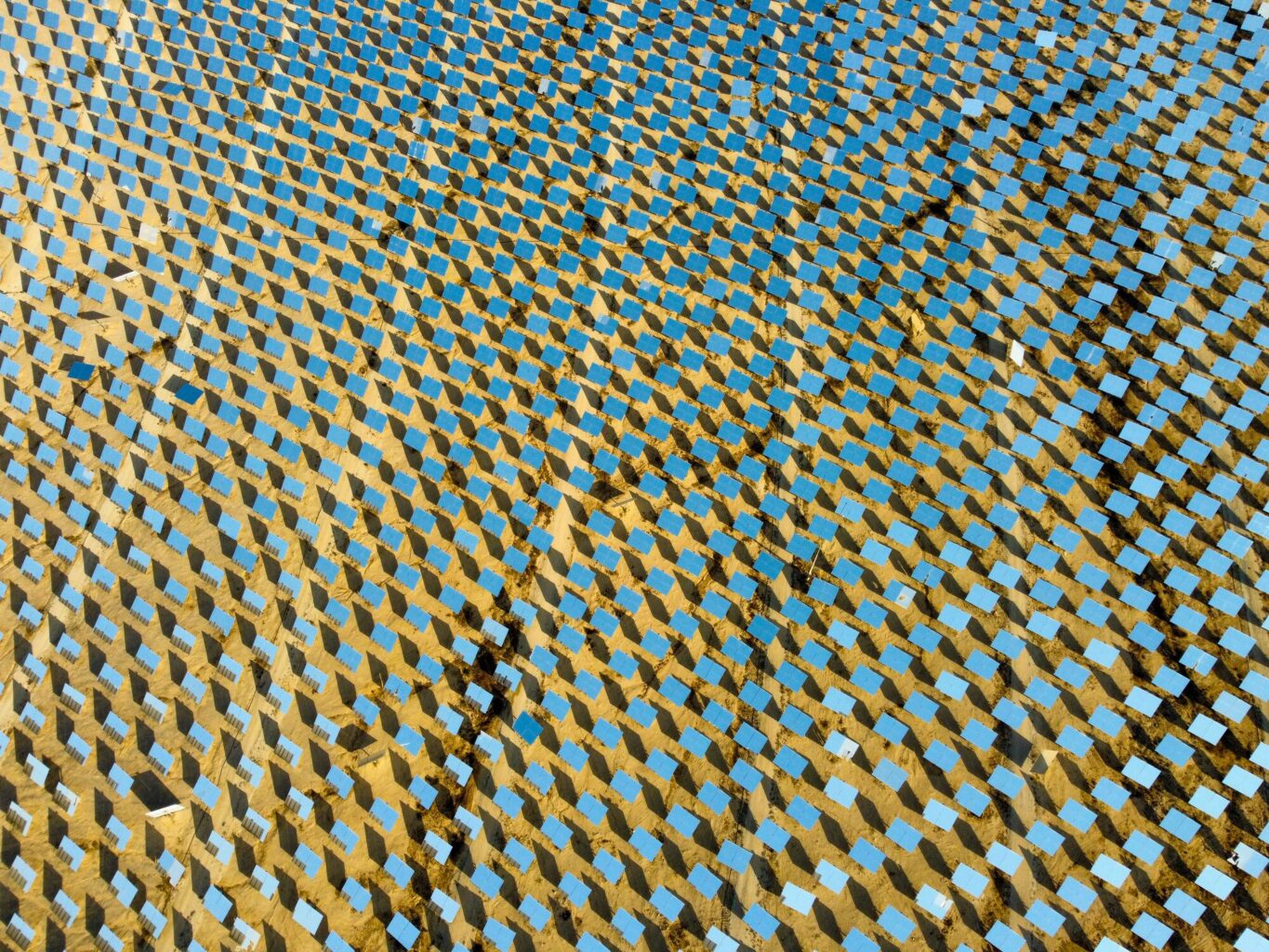
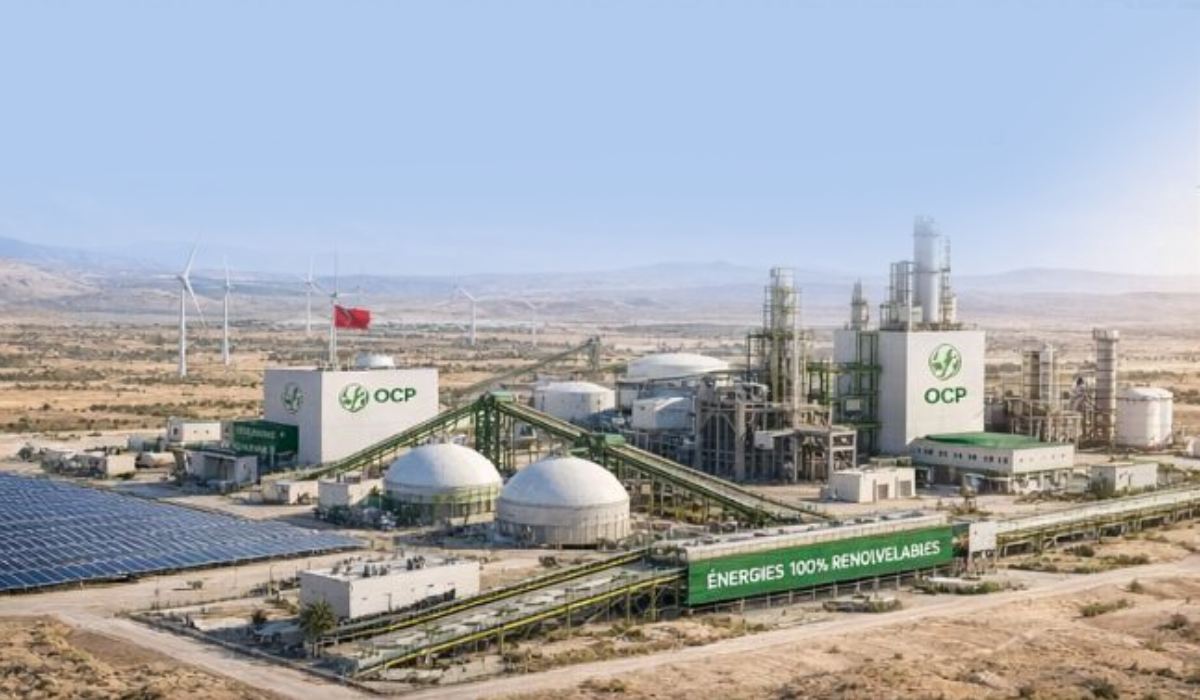
In Nagaa Hammadi, in Upper Egypt, stands the country’s largest aluminium smelter, and its biggest single consumer of electricity. In 2025, its owner, Egypt Aluminium, the sole primary aluminum manufacturer in Egypt and one of the largest producers in North Africa signed a 25-year agreement with the Norwegian developer Scatec for a 1.1-gigawatt solar plant with battery storage, designed to supply clean power to its operations. The project is expected to meet a substantial share of Egypt Aluminium’s electricity demand and cut greenhouse gas emissions by up to 30%, making it the region’s first large-scale industrial decarbonisation project. Another similar example lies on Morocco’s Atlantic coast, where the phosphate and fertilizer giant OCP is building plants to make ammonia from green hydrogen which is produced with sunshine and wind instead of natural gas.
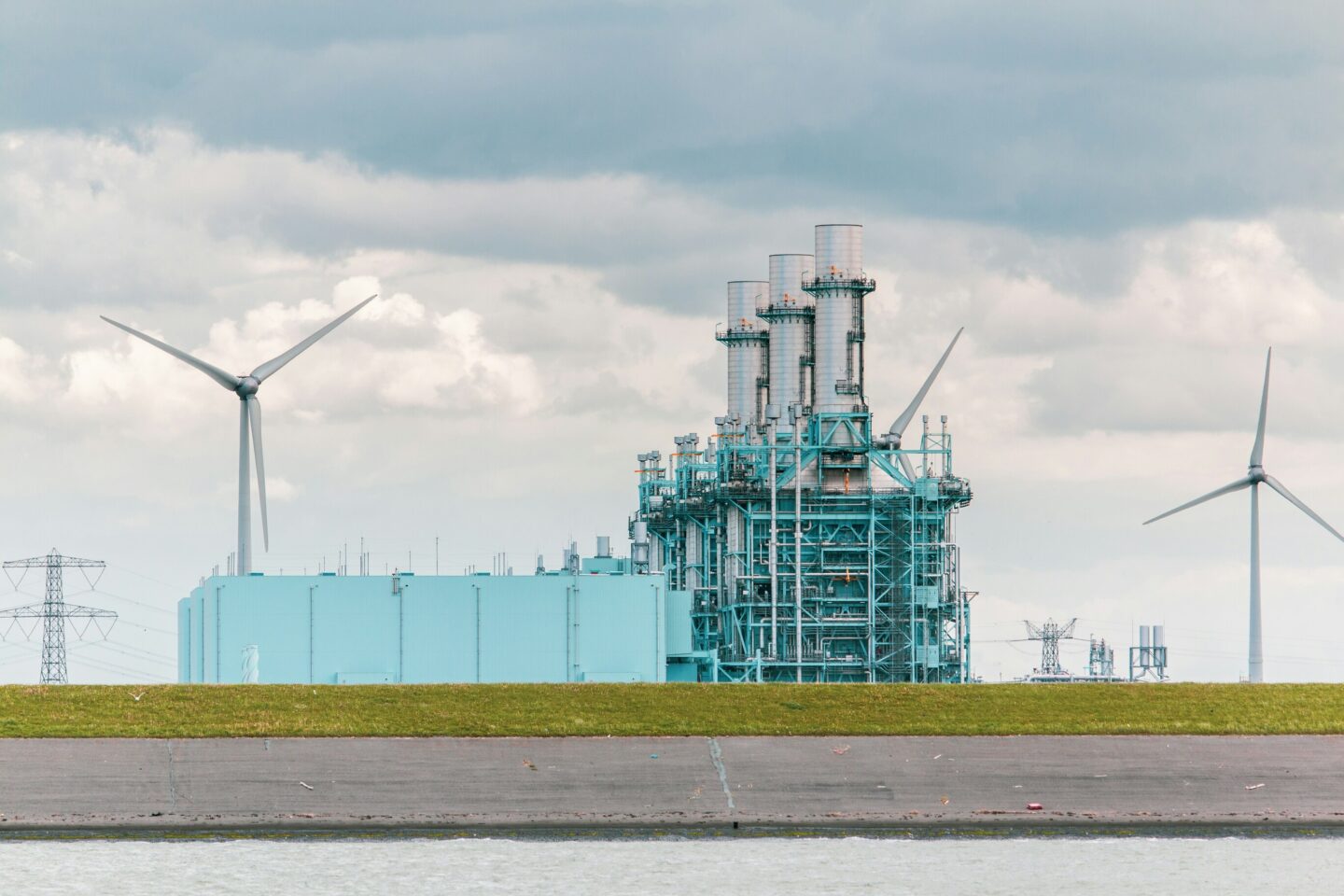
Both examples show how across the Middle East and North Africa, heavy industry is increasingly signing long-term deals with renewable energy companies to continue the production of fertilizers, steel or aluminium.
Europe’s new carbon border
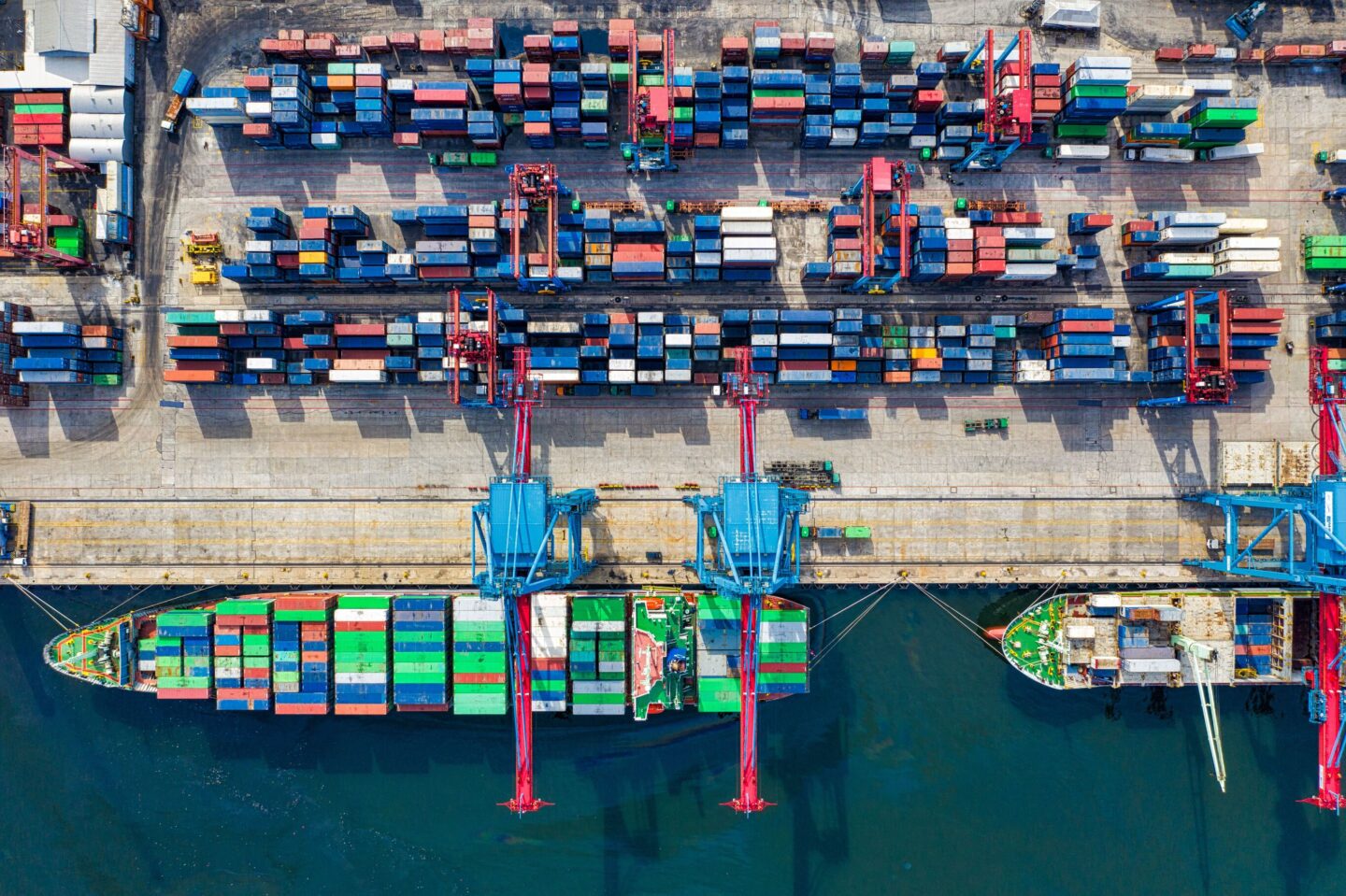
Part of the reason for this renewed focus on renewable energy, lies in the provisions of the European Union. Since January 2026, the European Union’s Carbon Border Adjustment Mechanism, known as CBAM, has applied in full. Companies importing cement, steel, aluminium, fertilizers, hydrogen or electricity into the EU must now buy certificates that match the carbon emitted in making those goods, at roughly the same price European producers pay under the EU’s own carbon market.
For exporters in the region, this changes the arithmetic. Egypt Aluminium sends around 60% of its production to Europe. Fertilizer makers face an even stricter test: their CBAM bill counts not only the emissions from their plants, but also those from the electricity they use. The dirtier the product, the more expensive it becomes to sell in Europe’s market of 450 million people.
Two industries, two problems
Fertilizer and aluminium both use substantial energy, but they pollute in different ways, so they need different solutions.
Nitrogen fertilizers start with ammonia, which is made by combining nitrogen from the air with hydrogen. Today, almost all of that hydrogen comes from natural gas, releasing large amounts of carbon dioxide. Fertilizer makers therefore need green molecules: hydrogen produced by splitting water with renewable electricity, which can replace fossil hydrogen directly in the existing process.
Aluminium is different. It is smelted using enormous amounts of electricity, so its carbon footprint depends mostly on how that power is generated. Aluminium producers need green electrons: renewable electricity, ideally available day and night, which is why Egypt Aluminium’s project pairs solar panels with batteries.
How the partnerships work
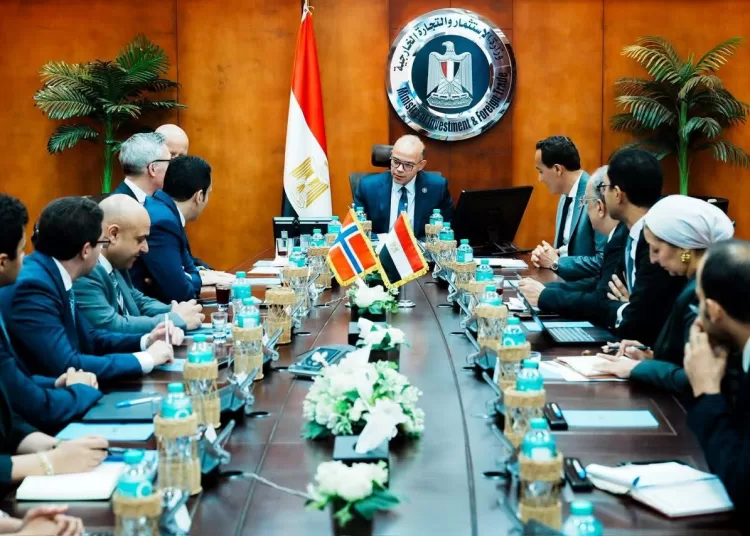
Scatec described its deal with Egypt Aluminium as the country’s first utility-scale power agreement with an industrial buyer. In Morocco, OCP has assembled a wider circle of partners, from the Australian energy group Fortescue and France’s Engie to Hydrojeel, a subsidiary of Morocco’s Mohammed VI Polytechnic University, and the American start-up Peregrine Hydrogen. In February 2025, its Jorf Lasfar project received a €30 million non-refundable grant by German-based KGAL Investment Management and KfW. The project aims to produce 100,000 tonnes of green ammonia a year by the end of 2026, as a first step towards a group target of one million tonnes in 2027.
More than a carbon tax
Other than the provisions of the CBAM, companies have other reasons to switch. The first is security. Morocco has no natural gas of its own, and OCP is one of the world’s largest buyers of imported ammonia. When prices spiked after the war in Ukraine, its ammonia bill reached around $2 billion in a single year. Producing ammonia at home from local sun and wind reduces that exposure.
The second is cost stability. A 25-year solar contract fixes the price of electricity in a way that fuel markets never can. The third is money: development banks and climate funds, including the EBRD, the Arab Energy Fund and Germany’s KfW, are financing these projects. Finally, governments in Rabat and Cairo want to turn the region’s exceptional solar and wind resources into a new industrial base.
Today, most of the confirmed deals pair large companies with other large companies. Start-ups mostly appear as technology providers or in smaller pilots. And many projects are still targets rather than working plants: the coming two years will show which ones are delivered.
Pictures: courtesy of Liovoo, Arno Senoner, Cemrecam yurtman, Martinelle, Tom Fisk, Scatec, and OCPgroup