17 Jan 2022
Amman, Jordan
Sustainable Textiles and Clothing

In April 2020, as the COVID-19 pandemic triggered lockdowns worldwide, one young Jordanian engineer saw a remarkable opportunity. For about a year, Shorouq AlMazraawi had dreamed about entering the sustainable fashion industry, where she could make beautiful clothes without harming the environment. When the pandemic struck, she had no excuse to postpone her plan any longer. “I decided that I would never have this chance again — to concentrate fully, while we were locked in our houses,” Mazraawi recalled.

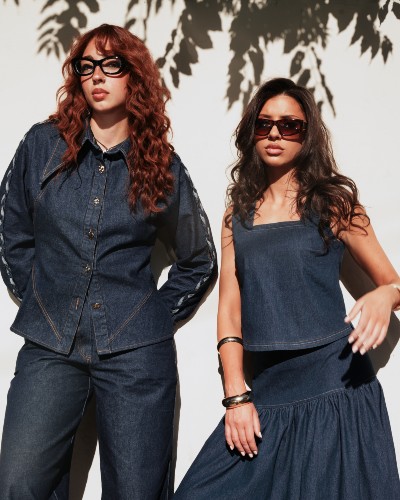
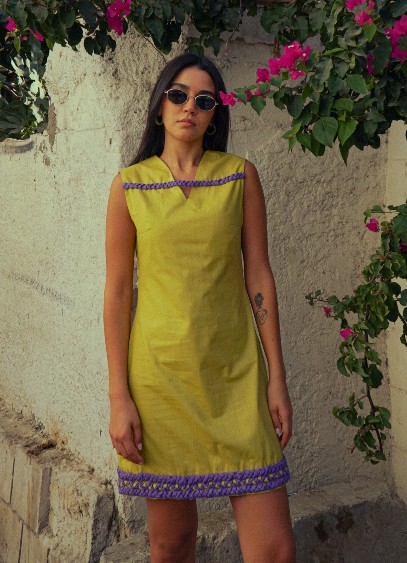
Less than two years later, Mazraawi’s sustainable label has gone from strength to strength. In no time, she has learned fashion sketching and block printing techniques, while also refining her sustainable processes for fabric sourcing and clothing production. Now the Goethe Institute has provided Mazraawi with her first-ever funding grant, which will help her build the social enterprise aspect of her growing business. “I try to invest in employing more local artisans,” she said. “Hopefully, I will accomplish this in the coming year.”

Mazraawi’s meteoric rise stands as a testament to learning new skills and putting them to the test. During Jordan’s COVID-19 lockdown, she found an online fashion sketching course, which showed her how to design intricate clothing items for women.

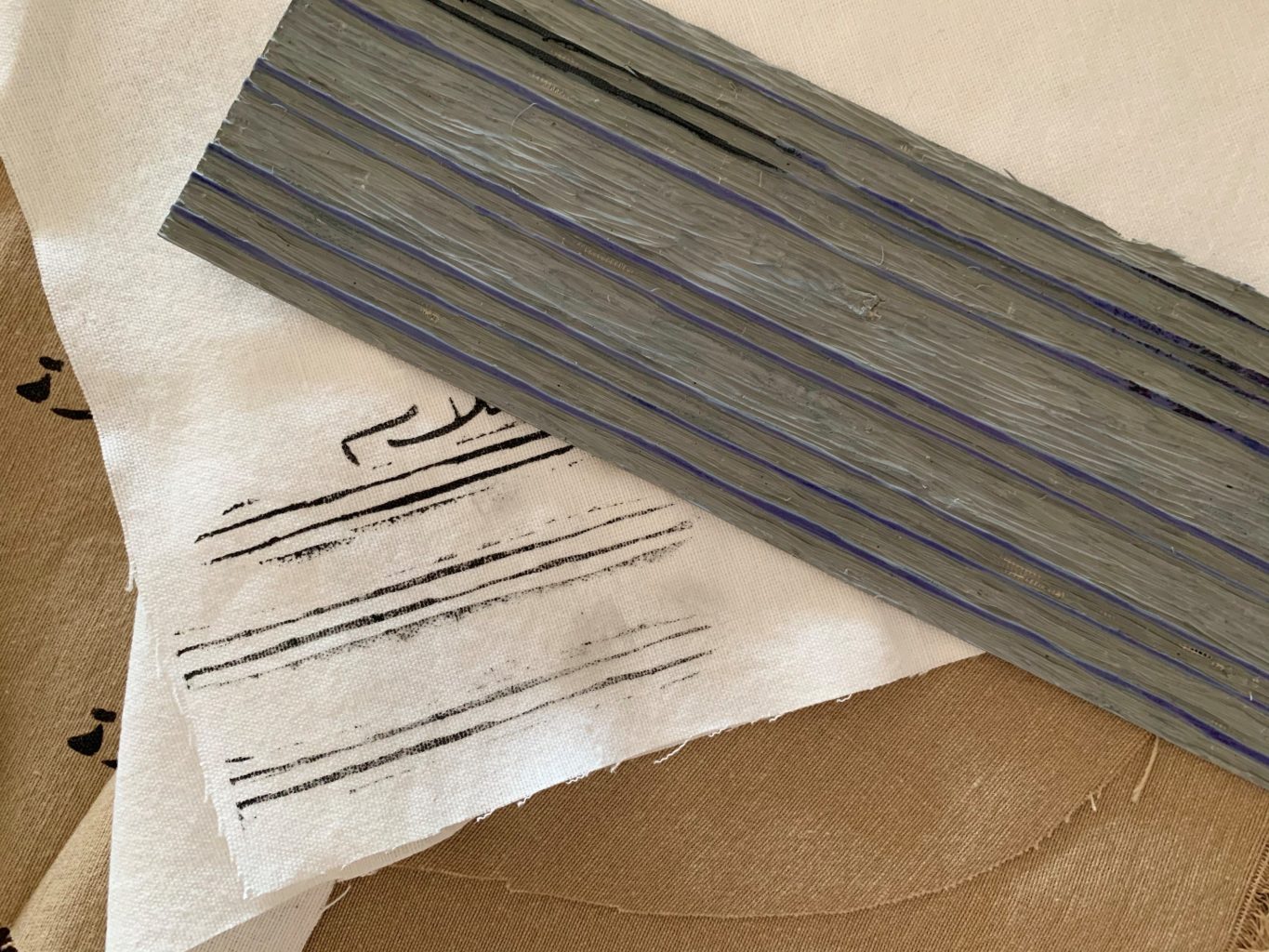
From this point, Mazraawi found a local artisan who could teach her about block printing techniques. This method avoids many wasteful pitfalls of the mass-produced fashion industry — block printing relies on handmade artisanship, and relies on neither artificial dyes nor water.

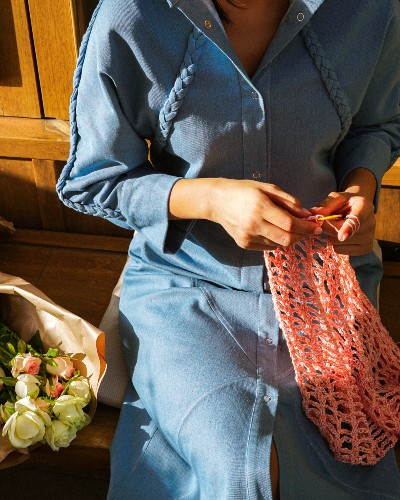
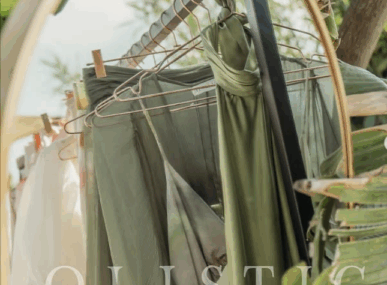
Having learned these skills, Mazraawi established a production model for her new sustainable fashion label. When sourcing fabric, she would only use all-natural or leftover material, slashing her business’ carbon footprint. At the next stage — cutting — Mazraawi diligently holds onto any extra fabric to avoid waste.

“All fabric scraps are kept and turned into something else,” Mazraawi enthused. “For instance, in my first collection, I converted the excess fabric into scrunchies.”

By this point, Mazraawi can turn her materials over to tailors, all of whom come from her local community in Amman. For now, Mazraawi engages the tailors on a freelance basis and offers decent wages; in future, she hopes to provide them with more stable work.

Mazraawi laid this essential groundwork before becoming legally established in 2021. Shortly after, she held her first in-person pop-up exhibition, which attracted plenty of glowing customer feedback. A momentous year culminated in the Goethe Institute selecting Mazraawi to participate in the Creative Forward Fund.
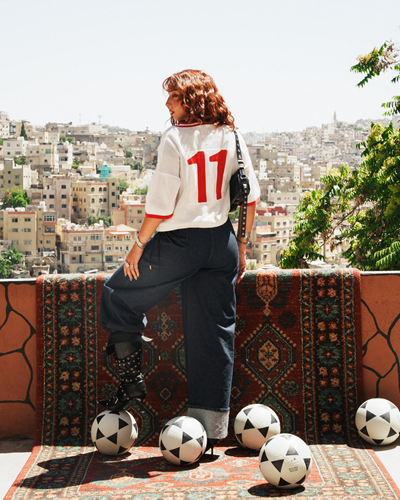
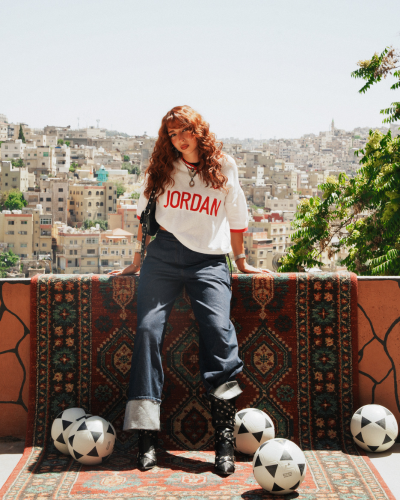
Naturally, even Mazraawi’s remarkable rise has involved some setbacks. Most notably, Mazraawi notes that using only eco-friendly materials does increase costs.

Sourcing fabric is my business’ core, yet also the hardest challenge,” she explained. “I will keep experimenting until I can buy fabric in a way that is good for my ethics and my business.”

Even so far, however, Mazraawi’s story offers inspiration to any other budding sustainable designers with a dream. After taking those first steps, she has grown more confident in her creative, eco-friendly vision. And, like anyone, early positive feedback helped to get her started.

“When I first met with my mentor Shireen AlRifae, she told me that she sees a big future for me!” she recalled happily. 

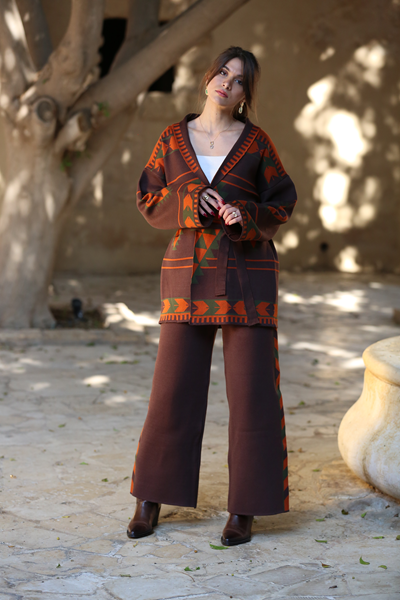
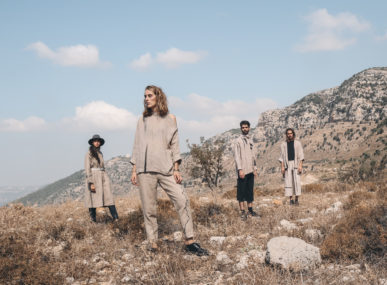
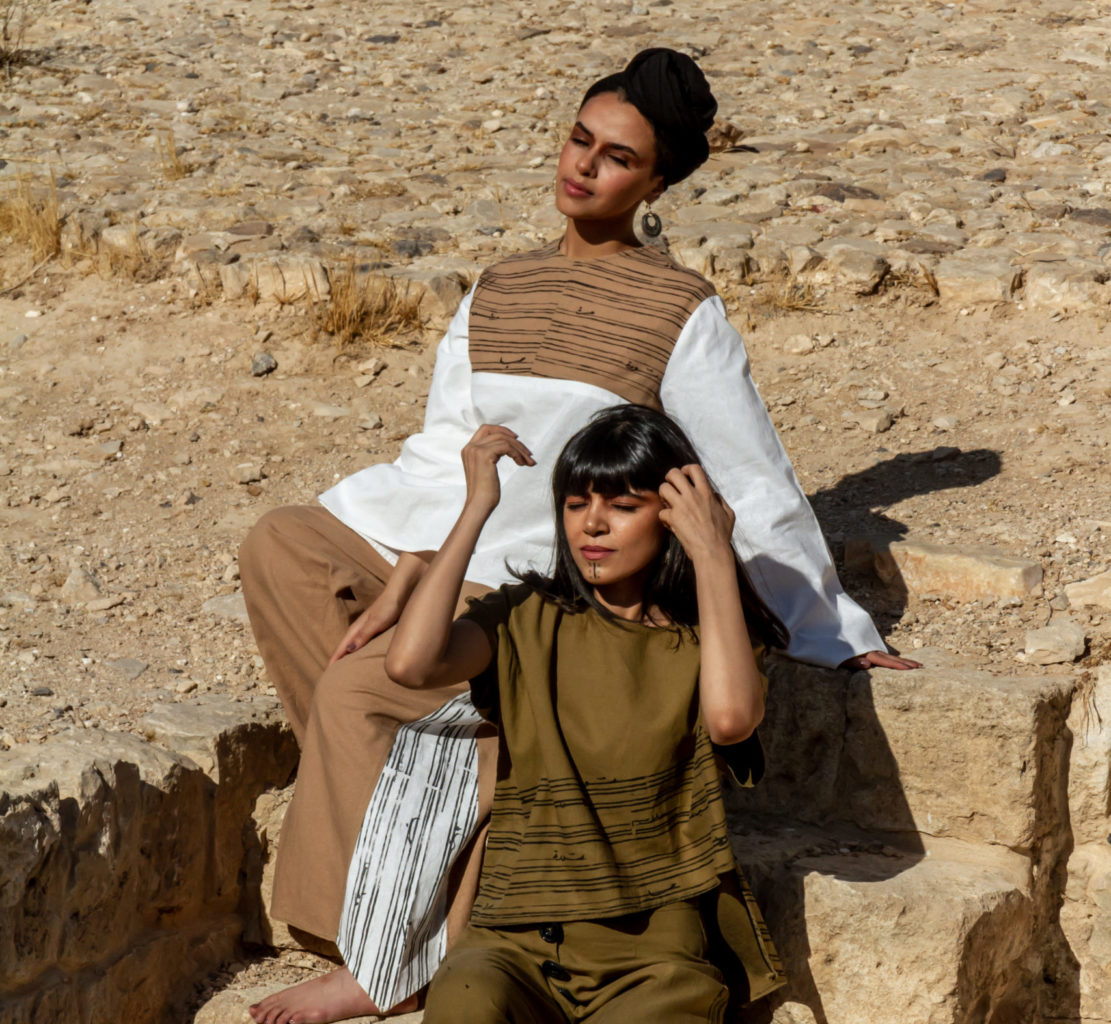
Following the momentum of 2021, Mazraawi took a step back from the brand to refine her path. When she returned in 2025, she came back with a crystal-clear sense of direction, formalizing her self-taught instincts by completing an entrepreneurship certificate with QRCE. Since then, her growth has only accelerated—launching three collections that translate Jordanian and Palestinian heritage, such as Bedouin patterns, tatreez motifs, and sadu weaving, into modern ready-to-wear pieces while maintaining her commitment to natural fibers.

At the same time, her understanding of sustainability evolved beyond zero-waste patterns and organic fabrics.

“Now it means something wider to me — ethical production, and making sure the people making the clothes actually benefit from the work,” Mazraawi reflected.
Fabric hunter — Self-taught designer impresses Jordan’s sustainable fashionistas | The Switchers

True to her original dream, she began shifting her relationships with local tailors and artisans away from purely freelance arrangements toward more stable, dignified work.

Now, the next chapter for Mazraawi is about scaling that model. Recently selected by Finnpact to expand her business through a dedicated fund and loan program, she plans to use this support to strengthen production capacity without ever losing sight of her community-first vision.

And with that, one of Jordan’s most promising young fashion designers continues to set sail.

Learn more about Shorouq AlMazraawi through Facebook and Instagram.

Photos courtesy of Shorouq AlMazraawi

David Wood is a freelance writer and researcher based in Beirut. He previously worked in Cairo.David Wood
Fabric hunter — Self-taught designer impresses Jordan’s sustainable fashionistas | The Switchers
Shorouq AlMazraawi Sustainable Textiles and Clothing