18 Jun 2026
Ramallah, Palestine
Sustainable Mobility

Face aux frontières et au relief, ils ont réussi l’impossible : mobiliser 30 000 personnes et tracer 375 km de voies éco-mobiles. Voici les coulisses de leur résilience

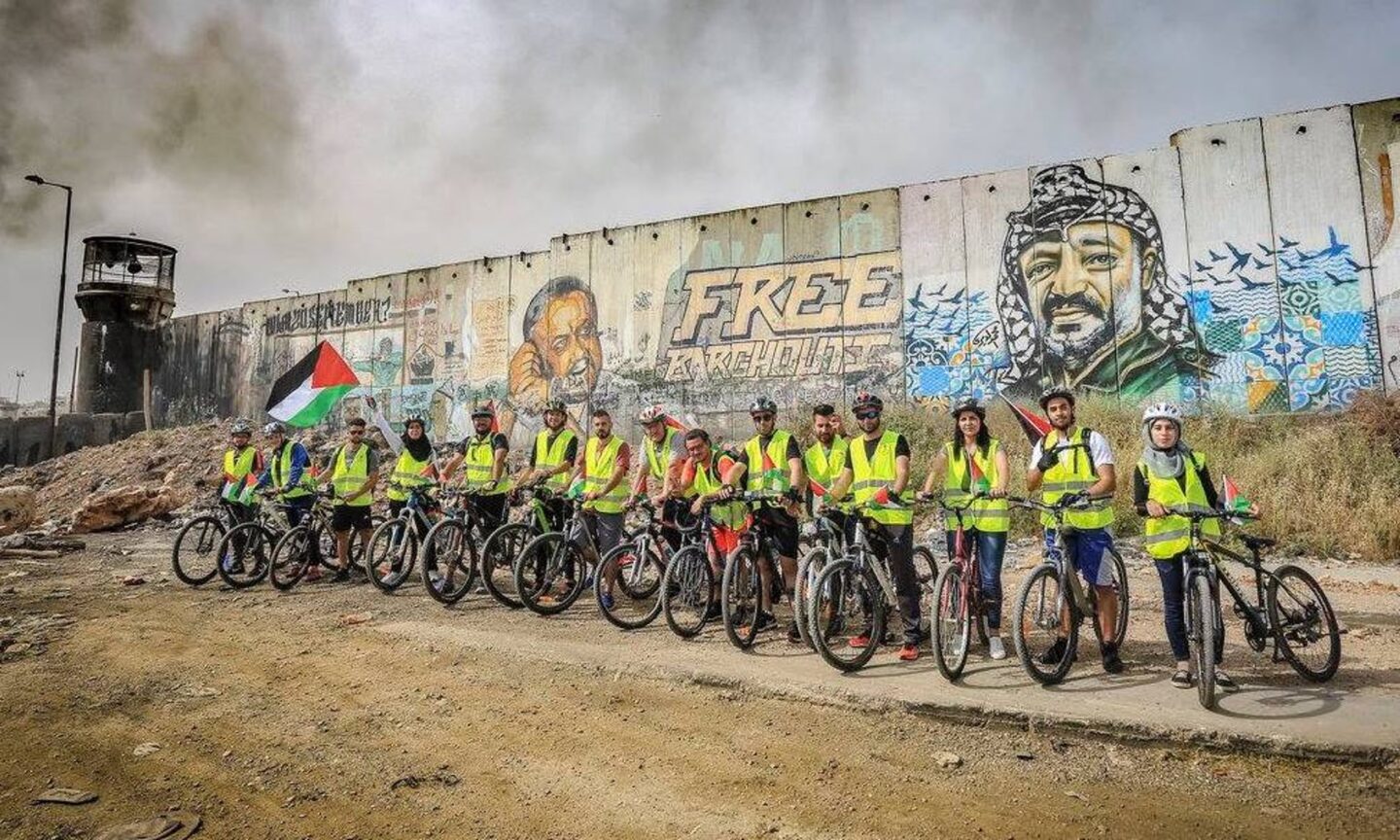
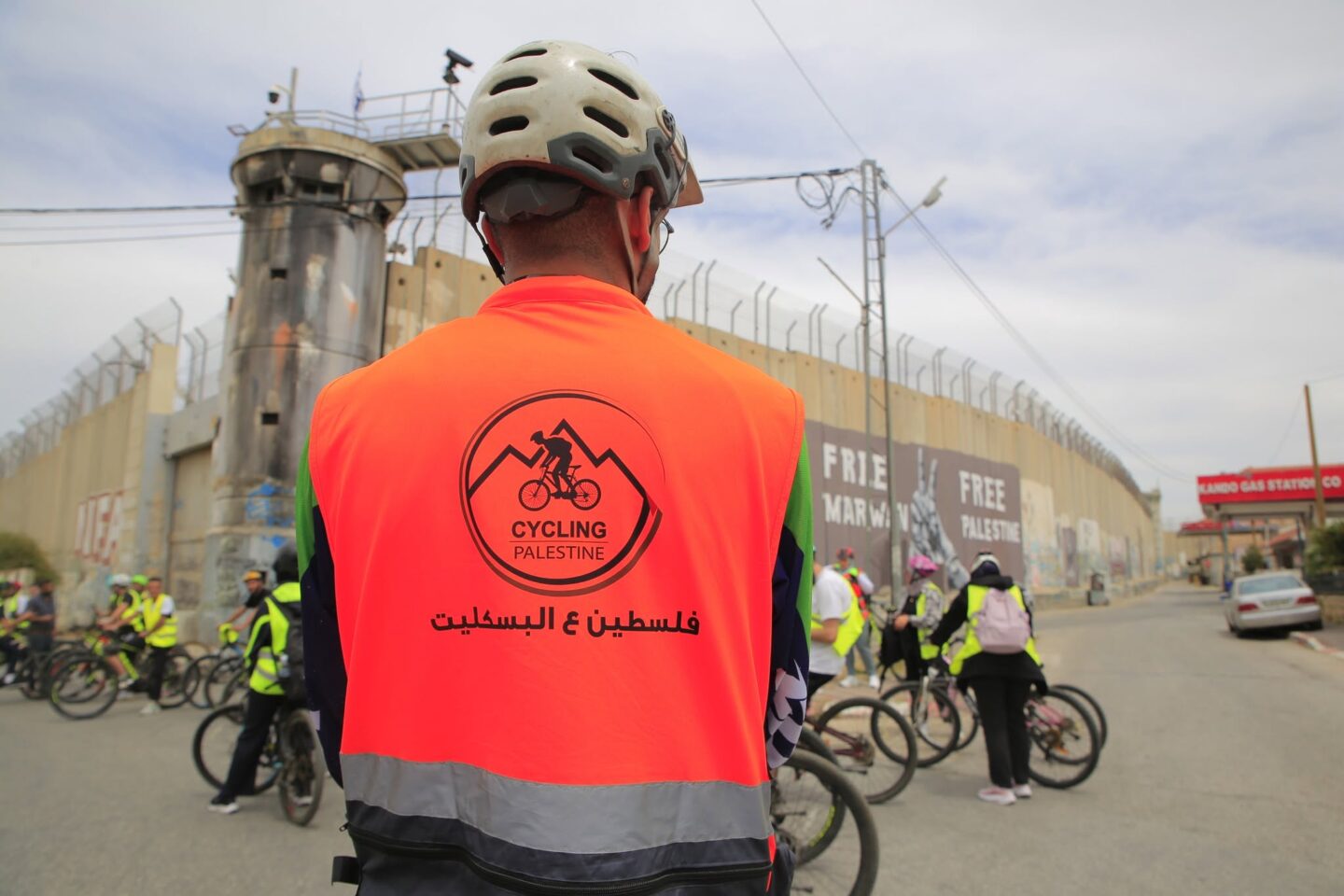
In 2014, the concept of adult cycling in the West Bank was largely viewed as a novelty. Cultural perceptions generally relegated bicycles to the world of children’s toys, while the steep, rocky terrain of the Palestinian countryside presented a formidable physical barrier. It was within this context that Sohaib Samara founded Cycling Palestine in Ramallah — a grassroots initiative that began with a small group of enthusiasts seeking a different way to explore their land.

What started as informal weekend rides has since evolved into a structured green movement. Today, the organization operates as a social enterprise focused on sustainable transport, environmental stewardship, and community resilience. The mission is clear: to transition the bicycle from a tool of leisure to a primary mode of zero-emission transportation and a medium for deep connection with the Palestinian landscape.
A Business Model Built on Circularity

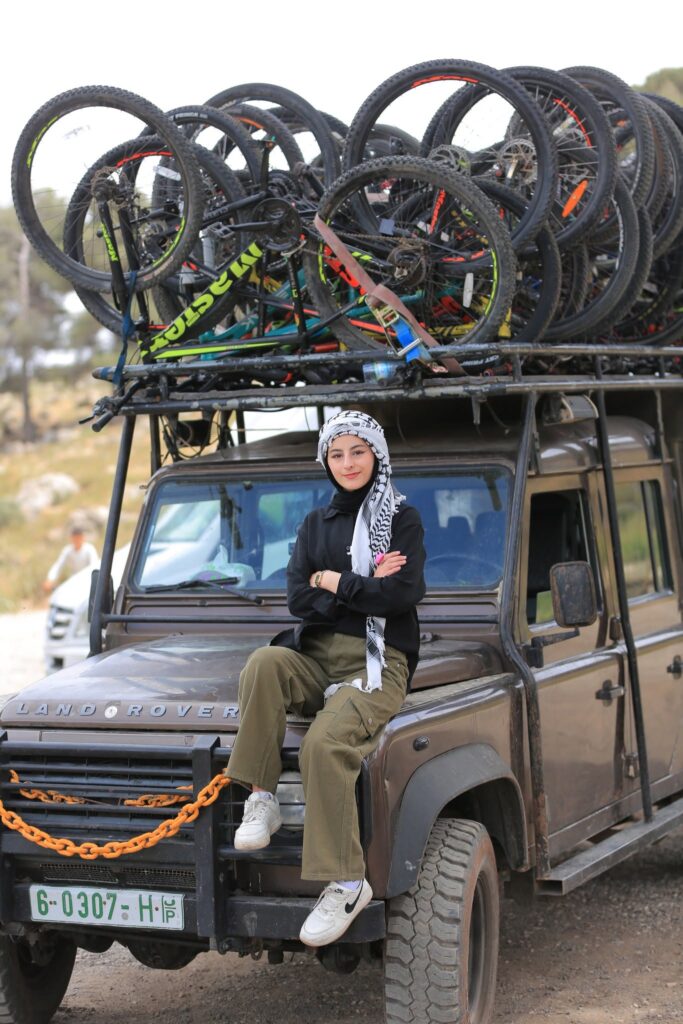
Cycling Palestine has developed a self-sustaining ecosystem that supports every stage of the cyclist’s journey. Their service offerings are diverse, ranging from bicycle rentals and professional maintenance to the sale of used bikes — promoting a circular economy by extending the lifecycle of equipment and keeping costs accessible.

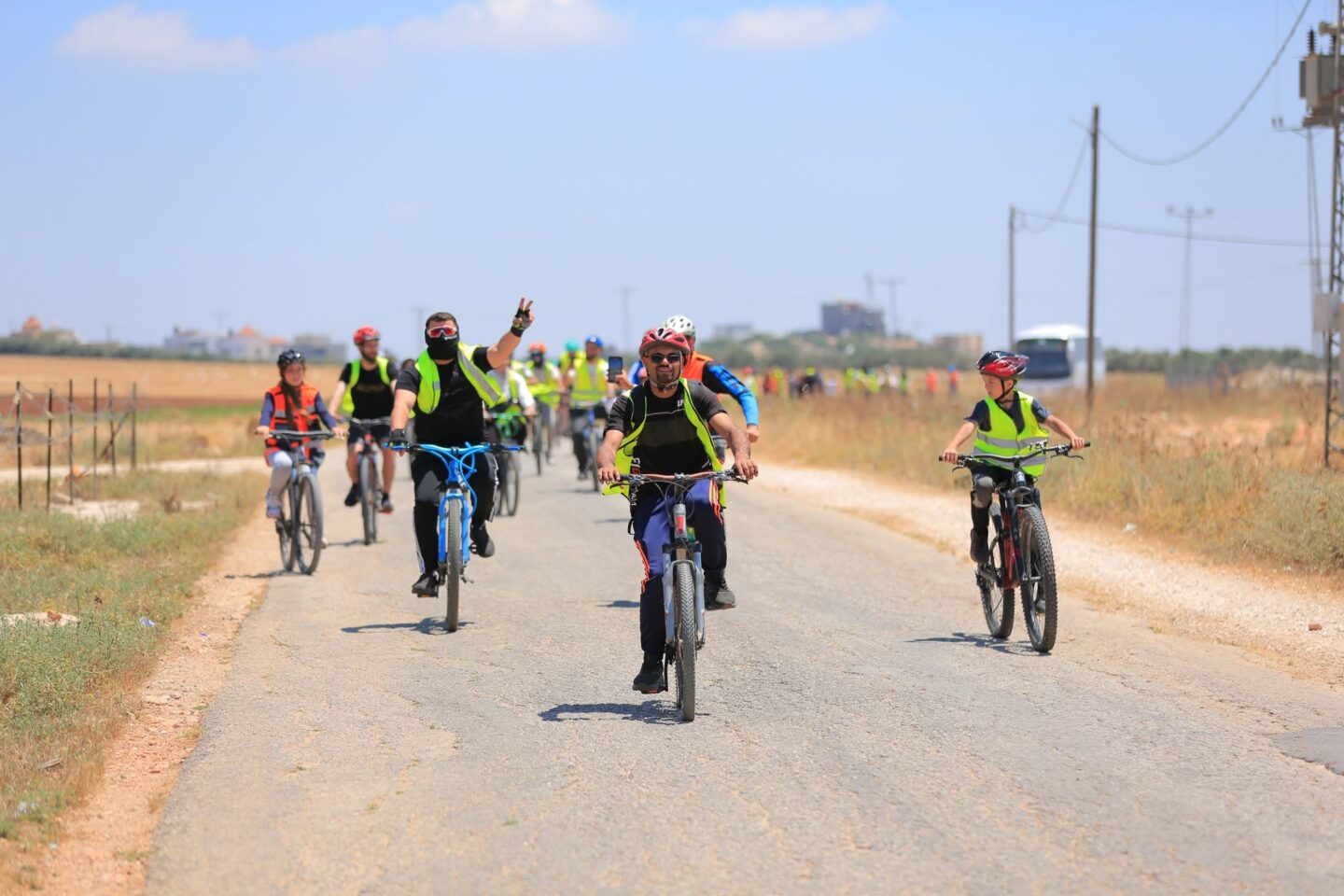
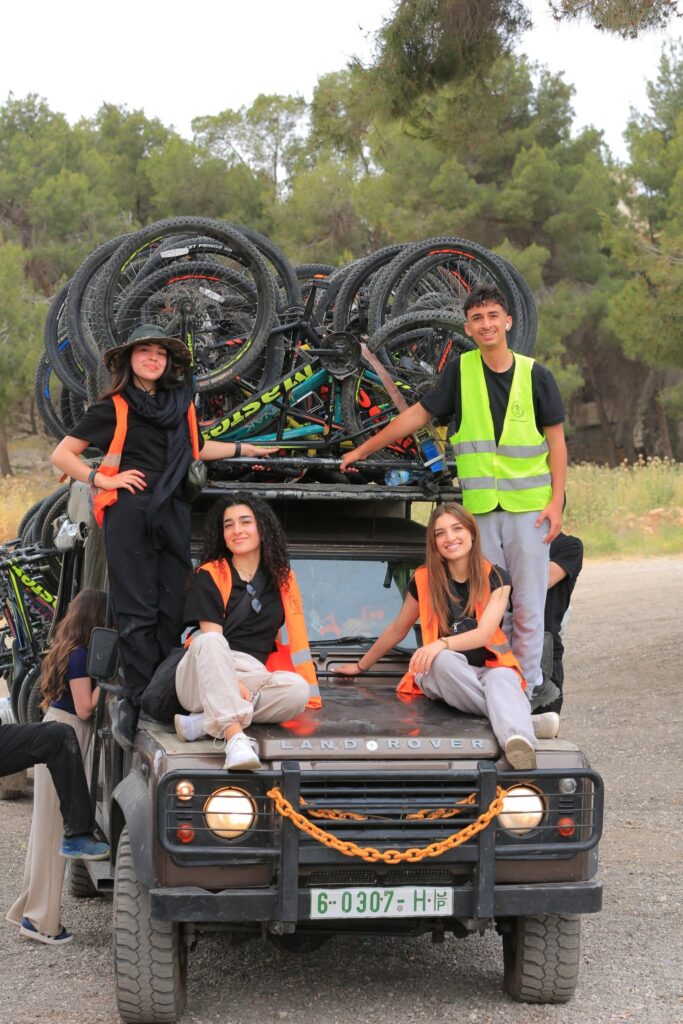
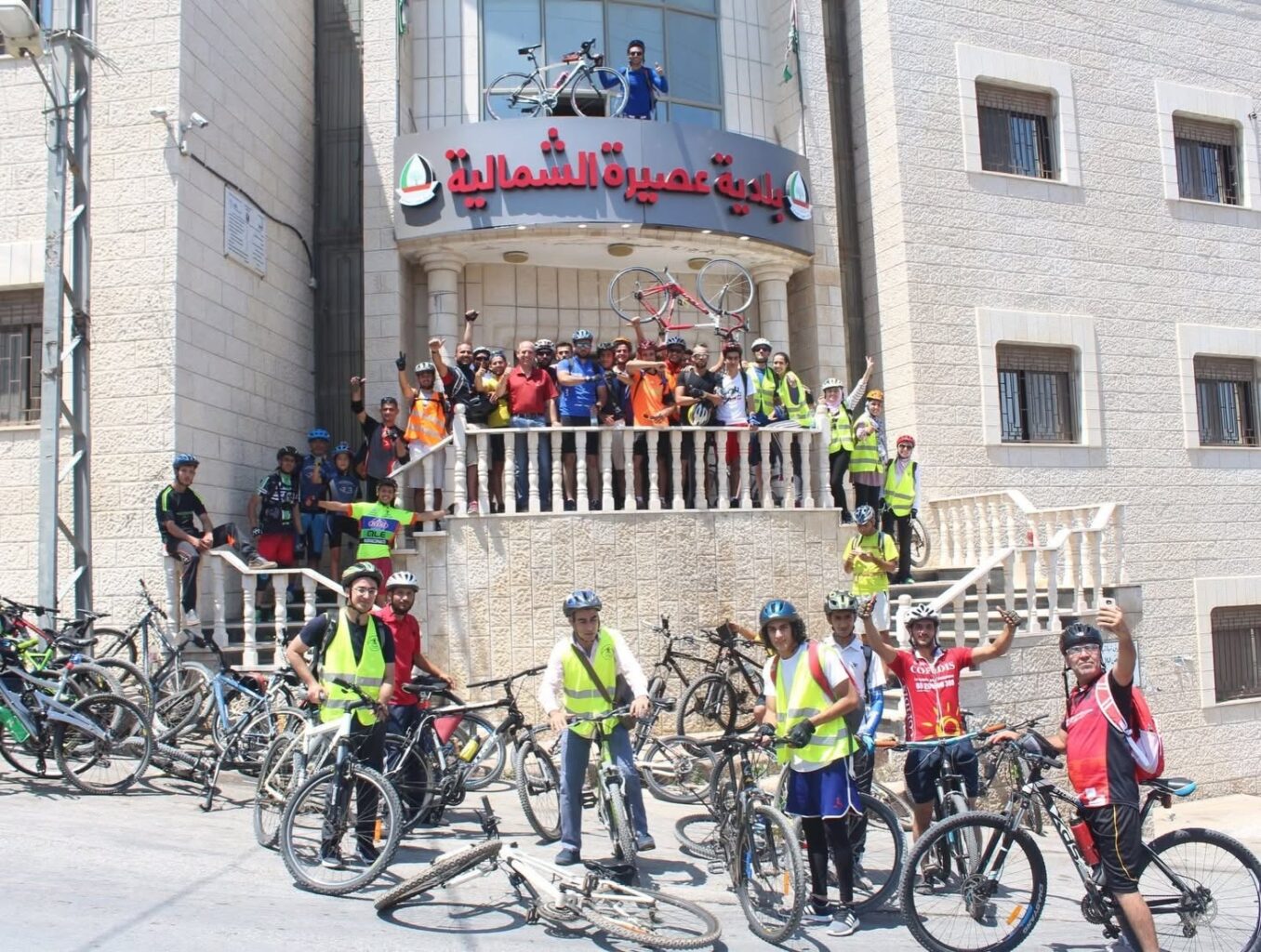
The organization hosts weekly tours every Friday and Saturday, alongside private group tours that navigate carefully mapped routes. These routes are designed not only for safety but also to minimize environmental impact, adhering strictly to “leave no trace” principles. For those who have never ridden, dedicated cycling training is available, with a particular focus on women and beginners to ensure the community remains genuinely inclusive. This commitment to inclusion has yielded measurable results: female participation has grown steadily over the years, and a formalized Cycling Palestine Academy — now being developed under the umbrella of the EU-funded SwitchMed program, which supports green entrepreneurs across the Mediterranean — aims to scale this further through structured training programs for youth and women in eco-mobility and sustainable tourism.

Mapping Resilience

The operational challenges facing Cycling Palestine are unique to its geography. The expansion of Israeli settlements and the proliferation of checkpoints across the West Bank create constant disruptions to route continuity, demanding significant logistical creativity and physical endurance from every ride.

Despite these barriers, the team — supported by Samara’s wife, whom he identifies as the backbone of the journey, alongside a dedicated crew of technicians, guides, trainers, and photographers — has achieved remarkable milestones. Their most significant technical feat to date is the mapping of a 375-kilometer cycling route stretching from the north to the south of the West Bank. This path serves as both practical infrastructure for sustainable mobility and a symbolic link between fragmented communities.

“Cycling Palestine is now approaching a landmark milestone of 30,000 cumulative participants across its initiatives”, said Souhaib, founder of Cycling Palestine.
Two Wheels, One Land: The Story of Cycling Palestine | The Switchers

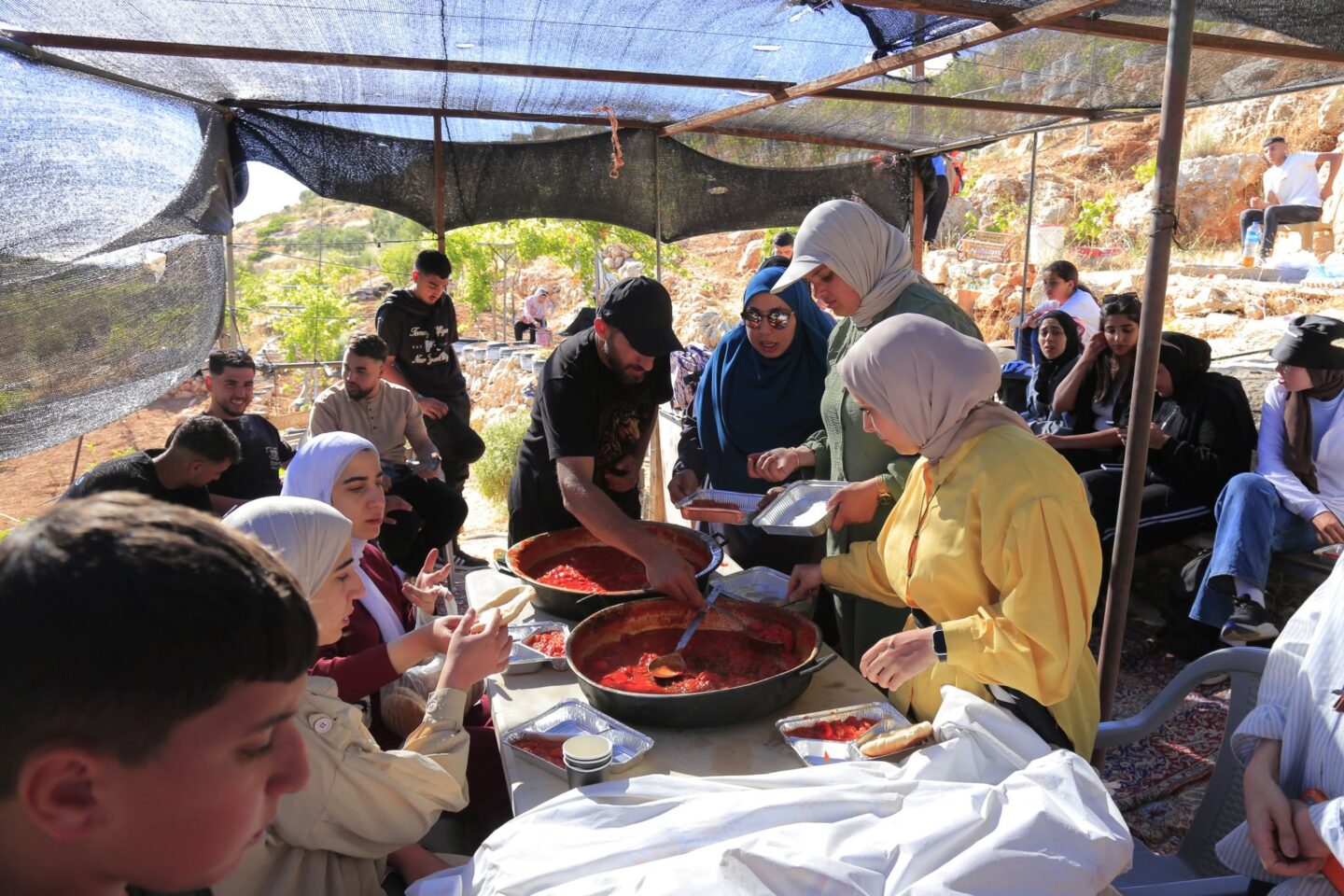
The project’s performance is monitored through participation levels, cycling distances covered, and participant feedback. By routing through local villages and towns, the project has stimulated local tourism and cultural exchange, bringing economic visibility to rural areas that are often bypassed.

Partnerships with institutions including Birzeit University, Sharek Youth Forum, Palestine Heritage Retail, and Palestine Forum have further integrated cycling into the social fabric of the region. For youth and volunteers, the project functions as a safe space for physical activity and leadership development. For the wider public, it offers a low-cost, zero-emission transport alternative that directly counters both rising fuel costs and carbon dependence.

Reflecting on over a decade of growth and the uphill climb of green entrepreneurship in a challenging environment, Samara views the bicycle as far more than a machine — it is a tool for climate responsibility and a statement of presence on the land.

“To aspiring green entrepreneurs: stay committed to your purpose. Sustainability is not achieved overnight — it requires patience, persistence, and belief in long-term impact. Keep moving forward, even when the road is uphill.” — Sohaib Samara, Founder of Cycling Palestine.

Vision for the Future

Looking ahead, Cycling Palestine aims to position Palestine as a model for community-led green initiatives. The vision remains rooted in accessible green mobility, the expansion of sustainable routes, and the continued empowerment of women and youth as drivers of that change. By treating cycling as a serious response to both climate challenges and mobility restrictions, the project continues to demonstrate that even in the most difficult terrain, the path toward a sustainable future is best traveled on two wheels.

Cycling Palestine Sustainable Mobility