26 Jun 2026
As intense summer heat waves shatter temperature records simultaneously across Europe and the Middle East and North Africa (MENA), the reality of climate change has never been more immediate. While Europe grapples with parched landscapes and urban heat islands, the MENA region faces an even deeper, more existential threat: a compounding, chronic water crisis.
In this arid climate, centralized infrastructure is buckling under pressure. The path forward requires a paradigm shift. To secure a climate-resilient future, the region cannot rely on a single, massive engineering fix; instead, it needs a “million solutions.” The most agile, adaptive answers are coming from the ground up through decentralized wastewater treatment systems (DWTS).
The Power of Decentralized Systems
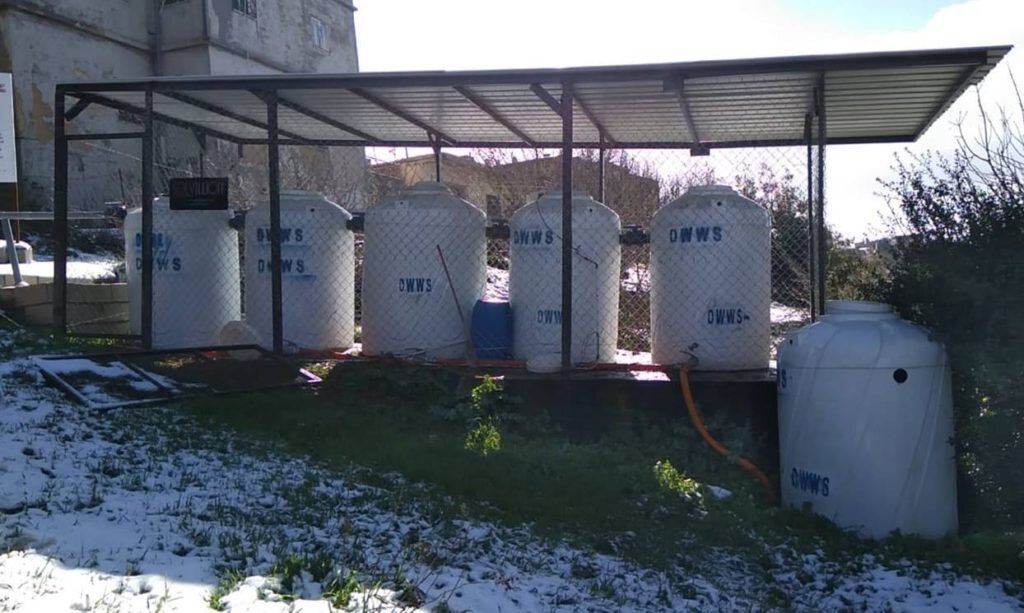
Decentralized systems bypass the massive cost and vulnerability of traditional, large-scale public utilities. By processing and reusing water directly where it is consumed, these “plug-and-play” innovations provide localized, climate-resilient circular loops. For eco-entrepreneurs across the Mediterranean, adopting these local systems is fast becoming a core strategy for operational survival and community empowerment.
Two pioneering green startups—recognized as part of the “Switchers” movement of eco-innovators—are leading this transformation by proving that wastewater is not a waste product, but a vital resource.
SOLVILLION: Empowering Households from the Ground Up
In Jordan, one of the world’s most water-scarce nations, startup SOLVILLION is tackling the crisis at the household level. Founded by engineer Aia Abul-Haj, the company provides home-based wastewater recycling systems that treat domestic greywater and blackwater onsite.
For Aia, the impact of DWTS goes far beyond technical engineering. It is an instrument of social empowerment. In many water-stressed communities, households are effectively managed by women, who bear the primary burden of securing water for daily sanitation, cooking, and family care. By installing onsite recycling units, SOLVILLION empowers these women to safely reclaim and reuse water for home gardening and domestic sanitation, cutting utility costs and securing a reliable supply.
"We aren't just installing pipes and filters; we are engineering a tool for autonomy," says Aia Abul-Haj. "When a household can recycle its own water, the impact is immediate—especially for women, who can transform a scarce resource into a lush home garden and a safer environment for their families."
Blue Filter: Natural, Low-Cost Purification
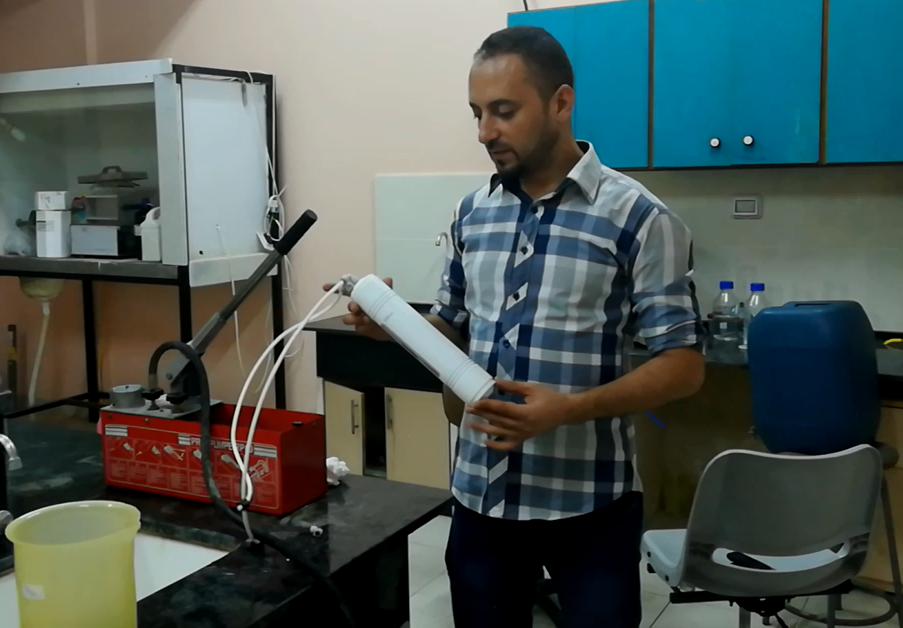
Further across the region in Palestine, Blue Filter is rethinking water purification through the power of nature. Traditional chemical treatment is expensive, asset-heavy, and often inaccessible in fragmented or marginalized areas. Blue Filter disrupted this model by developing an eco-friendly purification technology that uses natural plant-based materials and specific seeds—such as chia seeds—to filter out environmental pollutants, nitrates, and salts from groundwater and agricultural runoff.
This local, bio-based approach allows farmers and small businesses to secure irrigation-grade water without relying on complex, imported chemical components or vulnerable regional grids.
"Our mission is to prove that nature already holds the blueprints for resilience," explains Salah El Sadi, founder of Blue Filter. "By using natural seeds for purification, we deliver a low-cost, highly effective solution that allows communities to clean their own water, adapt to extreme heat, and sustain their livelihoods independently."
The message from the Switchers ecosystem is clear: modular, localized innovations like those from SOLVILLION and Blue Filter show that green startups hold the keys to climate adaptation. By turning localized water scarcity into a surplus of opportunity, these engineering solutions do more than preserve a resource—they build regional self-reliance from the backyard up.
Photos and video credits: courtesy of the Switchers, Vecteezy (From Scarcity to Surplus), TWL Irrigation, and luths services.